
Helping a Hoarder Declutter: A Compassionate Guide
Meet The Author

Sean Smith
Table Of Contents
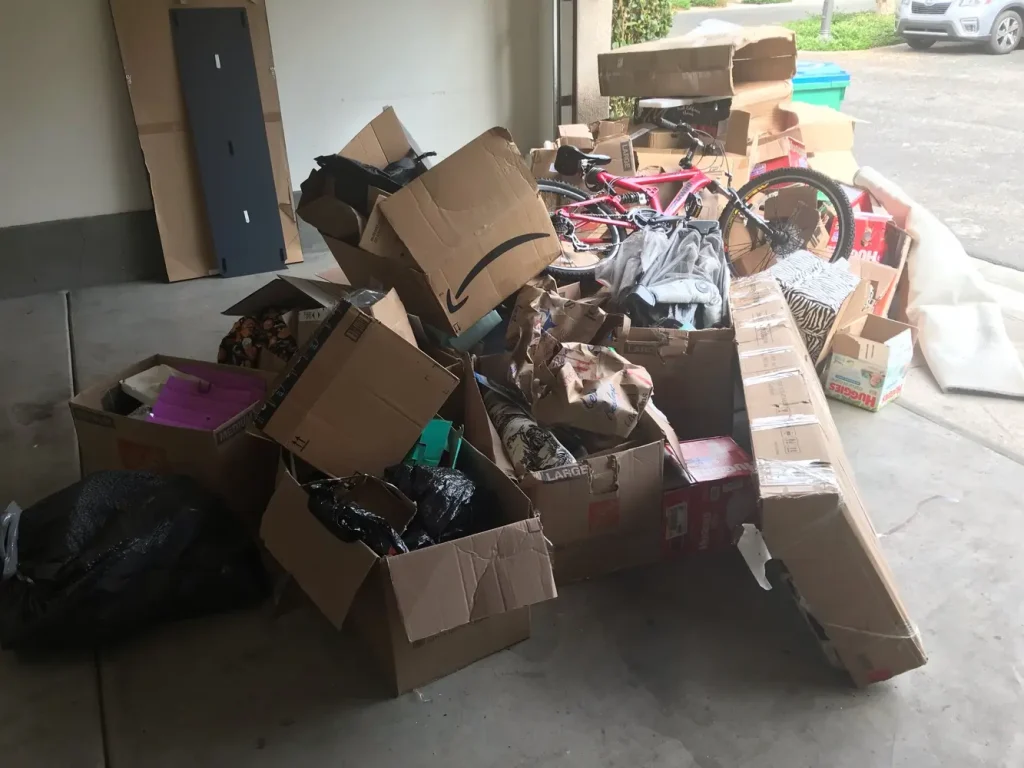
How to help a hoarder clean out their house
It’s painful to watch a loved one live in a space that feels like the walls are closing in. You want to help, but you know that helping a hoarder declutter is a deeply sensitive process. It’s not just about cleaning up; it’s about compassion and patience. If you’re wondering how to convince a hoarder to clean up without causing more pain, you’re in the right place. We’ll walk through the practical, supportive steps for helping hoarders declutter, so you can guide them toward reclaiming their home and their peace of mind.
Helping a hoarder clean out their house is like untangling a massive knot—patience, care, and the right approach are essential. Every item has a story, and every decision to let go can feel overwhelming. But with the right mindset and strategies, you can help transform a cluttered space into a peaceful sanctuary.
In this blog, you’ll discover practical tips, emotional insights, and proven methods to support a loved one through the challenging but rewarding journey of decluttering.
1. Understanding Hoarding: It’s More Than Just “Stuff”
Hoarding isn’t simply collecting things—it’s often tied to deep emotional issues like anxiety, grief, or trauma. Understanding this makes a huge difference in how you approach the cleanup.
Tip: Approach with empathy, not judgment. Start conversations with “How can I help you feel more comfortable in your home?” rather than pointing out the mess.
📊 Did you know? The Anxiety and Depression Association of America states that hoarding affects 2-6% of the population, often linked to anxiety disorders.
💡 Expert Insight: “Hoarding is about fear—fear of losing memories, opportunities, or security,” says Dr. David Tolin, author of “Buried in Treasures.”
Hoarding vs. Collecting
It’s easy to confuse hoarding with collecting, but they are fundamentally different. A collector typically finds, organizes, and proudly displays items they’re passionate about, like stamps or vintage records. Their collection brings them joy and is usually well-maintained. In contrast, hoarding is a recognized mental health challenge where individuals find it incredibly difficult to discard items, regardless of their actual value. As one resource puts it, “People who hoard find it very hard to throw things away, even if the items have no value or are trash.” This accumulation leads to cluttered, often unusable living spaces and significant emotional distress, turning a home into a source of anxiety rather than comfort.
The Connection to Mental Health
At its core, hoarding disorder is deeply connected to mental health. It’s not a choice or a sign of laziness; it’s a complex condition often intertwined with anxiety, depression, OCD, or past trauma. The act of acquiring and saving items can be a coping mechanism for overwhelming emotions. According to HelpGuide.org, hoarding often stems from powerful beliefs about possessions, such as feeling an item is essential for remembering a person or event. Recognizing this link is the most critical step in offering help. It shifts your perspective from frustration over the clutter to compassion for the person struggling beneath it, allowing for a more patient and effective approach.
Common Beliefs About Possessions
To help someone who hoards, it’s useful to understand the logic driving their decisions. Their attachment to objects is often rooted in specific beliefs. Many fear they might need an item someday or feel a deep sense of responsibility to not be wasteful. For others, an object holds immense sentimental value or represents a potential opportunity they can’t let go of, like a “good deal” they couldn’t pass up. These items provide a sense of safety and security, and the thought of discarding them can trigger intense anxiety. Acknowledging these underlying beliefs—without validating them—allows you to support them through the decision-making process with empathy rather than criticism.
2. How to Communicate and Offer Support
Focus on the Person, Not the Clutter
When you’re faced with a hoarding situation, your first instinct might be to focus on the overwhelming amount of stuff. But the most crucial step is to connect with the person living within it. Building trust is your primary goal, because without it, no real progress can be made. It’s essential to remember that hoarding is a complex mental health condition, not a simple choice or a personality flaw. Trying to force a cleanup or clearing items without their consent will likely backfire, causing distress and damaging your relationship. Instead, practice empathy and patience. Spend time with your loved one doing things you both enjoy that have nothing to do with the clutter. This reinforces your connection and shows them you value them as a person, separate from their possessions.
Avoid Enabling the Behavior
Supporting someone doesn’t mean enabling their behavior. It’s a fine line to walk, but an important one for their long-term well-being. Enabling can look like paying for a storage unit for their overflow, giving them money that fuels shopping habits, or even rearranging clutter to make more room for new items. While it may feel helpful in the moment, these actions can prevent the person from feeling the true impact of their hoarding and reduce their motivation to change. It’s also vital to set realistic expectations. The home won’t be perfectly clean overnight. If you take on all the cleaning yourself, you remove their sense of agency. The goal is to work *with* them, not *for* them, empowering them to make their own decisions about their space.
2. Set Small, Achievable Goals
Facing an entire house of clutter can feel impossible. Break it down—start with one drawer, one shelf, or one room at a time.
Tip: Use a timer—set 15-minute decluttering sessions. Small wins boost motivation and reduce anxiety.
🔍 Research reveals that achieving small goals releases dopamine, the “feel-good” hormone, encouraging continued progress.
Prioritize Safety First
Before you sort through a single item, your first step is to assess the home for immediate dangers. A space filled with clutter can hide serious risks, from blocked doorways that prevent a quick escape to piles of flammable materials creating a significant fire hazard. The sheer weight of accumulated possessions can also put immense strain on the building’s structure. Your initial goal isn’t perfection; it’s protection. Start by making sure all exits are clear and that you have a stable path to walk through the main areas of the home. This simple action makes the environment safer for everyone involved in the cleanup process.
Beyond the visible piles, you also need to be aware of hidden health risks. Poor ventilation combined with dust, mold, and potential pest infestations can create an unhealthy atmosphere that may lead to respiratory problems or other illnesses. Always protect yourself by wearing personal protective equipment (PPE), including heavy-duty gloves, an N95 mask, and sturdy, closed-toe shoes. These precautions are non-negotiable and shield you from unseen contaminants. If you uncover a major pest problem or widespread mold, it’s best to pause the cleanout and call a specialist to handle it properly.
While your emotional support is crucial, some situations are too hazardous to manage without professional help. If the clutter is overwhelming, if you encounter biohazards, or if heavy furniture and appliances block your path, it’s time to call for backup. A professional team can handle the heavy lifting and disposal safely and efficiently. At Junk Smiths, we frequently assist families and property managers with hoarder cleanouts, and our trained crew arrives with the right equipment to manage these physically demanding jobs. Bringing in experts frees you up to focus on supporting your loved one, which is the most important role you can play.
3. Create a Judgment-Free Zone
Shame and embarrassment often accompany hoarding. If you’re critical, you risk pushing your loved one away.
Tip: Use supportive language. Instead of “Why do you have this?” ask, “Tell me about this item.”
💬 Quote to Remember: “A compassionate approach opens doors; criticism closes them.” — Marie Kondo
4. Establish Clear Sorting Categories
Decision fatigue is real. Simplify the process by creating three piles: Keep, Donate, and Discard.
Tip: Make decisions easier by adding a “Not Sure” box. Revisit it after clearing other areas—many items lose emotional weight over time.
📈 According to a Yale study, the brain registers the pain of discarding items similarly to physical pain. Having clear categories can ease this process.
Use the 12-12-12 Method
To make progress without feeling completely overwhelmed, try the 12-12-12 method. It turns a monumental task into a simple, repeatable game. The goal is to find 12 items to throw away, 12 items to donate, and 12 items to return to their proper home. This approach creates structure and delivers a quick sense of accomplishment. As the blog Tidied by K explains, this strategy helps you “make quick progress and see real changes in your home without trying to do everything at once.” It’s a fantastic way to build momentum and show your loved one that a clearer space is achievable, one small step at a time.
Apply the Container Concept
A powerful mental shift is to view every space as a container with defined limits. Your closet is a container. Your bedroom is a container. Your entire house is a container. The rule is simple: you can only keep what fits comfortably within its designated container. This concept, often discussed in decluttering communities, reframes the issue from needing more space to having too many items. It stops the cycle of thinking a bigger house or a storage unit will solve the problem, when in reality, those new spaces often just become larger containers to fill. This mindset encourages making tough but necessary decisions about what truly belongs.
Create a Temporary Staging Area
Letting go is hard, and the fear of making a mistake can be paralyzing. A temporary staging area can act as a safety net. Designate a specific spot—a corner of the garage or a cleared-out patio—for items slated for disposal. As one junk removal expert suggests, this gives the person comfort in knowing they can retrieve something before it’s gone for good. Set a firm deadline, like one week. Once that time is up, the items must go. When the day comes, having a professional team handle the removal can make the final step less emotional. At Junk Smiths, we provide fast, respectful service to clear out these designated areas, making the process clean and final.
Find a Home for Sentimental Items
Sentimental items are often the most difficult to address because their value is emotional, not practical. A great rule of thumb comes from The Good Trade: “If something is important enough to keep, it should be displayed or used, not hidden away in a drawer.” Help your loved one honor their most cherished possessions by creating a dedicated space for them, like a memory box, a special shelf, or a scrapbook. For larger items, suggest taking a photograph to preserve the memory without keeping the object. This approach validates the emotional connection while still freeing up physical space, turning clutter into a curated collection of meaningful memories.
5. Know When to Bring in Professionals
Sometimes, the situation is too complex for friends and family to handle alone. Professional organizers, therapists, or cleanup services like Junk Smiths trained in hoarding can provide crucial support.
Tip: Suggest professional help as a team effort rather than a last resort. Frame it positively: “They can help us make this easier together.”
🎙 Expert Voice: “Professional help isn’t about taking over; it’s about guiding someone through a process they feel stuck in,” says Matt Paxton from Hoarders.
Finding Therapeutic Support
Before you even think about sorting through items, it’s important to address the root cause. Hoarding is rarely about the stuff itself; it’s a complex issue often connected to anxiety, grief, or past trauma. Without addressing the underlying emotional drivers, any cleanup effort is just a temporary fix. Professional therapy provides a safe space for your loved one to understand their attachment to objects and develop healthier coping strategies. Cognitive Behavioral Therapy (CBT) is widely recognized as one of the most effective treatments, as it helps individuals challenge the thought patterns that lead to hoarding. Encouraging someone to seek therapy is a compassionate step that focuses on long-term healing, not just a clean room.
Hiring a Professional Junk Removal Team
Once therapeutic support is in place, tackling the physical clutter is the next step—and it can be a massive undertaking. This is where a professional team makes all the difference. A company experienced in hoarding cleanouts, like Junk Smiths, brings not only the muscle but also the sensitivity required for the job. We understand this isn’t a typical junk haul; it’s a delicate process that requires compassion and patience. Our trained crew works efficiently and discreetly to sort, remove, and haul away items, ensuring that anything salvageable is donated or recycled. This approach can ease the homeowner’s anxiety, knowing their possessions are being handled respectfully and responsibly, turning an overwhelming task into a manageable project.
6. Celebrate Progress, Not Perfection
Every bag donated and every space cleared is a victory. Recognizing these wins keeps momentum going.
Tip: Mark milestones with small celebrations—a favorite meal, a walk, or sharing before-and-after photos (if comfortable).
🌟 Studies show positive reinforcement increases the likelihood of long-term behavioral change.
💡 Motivational Quote: “It does not matter how slowly you go, as long as you do not stop.” — Confucius
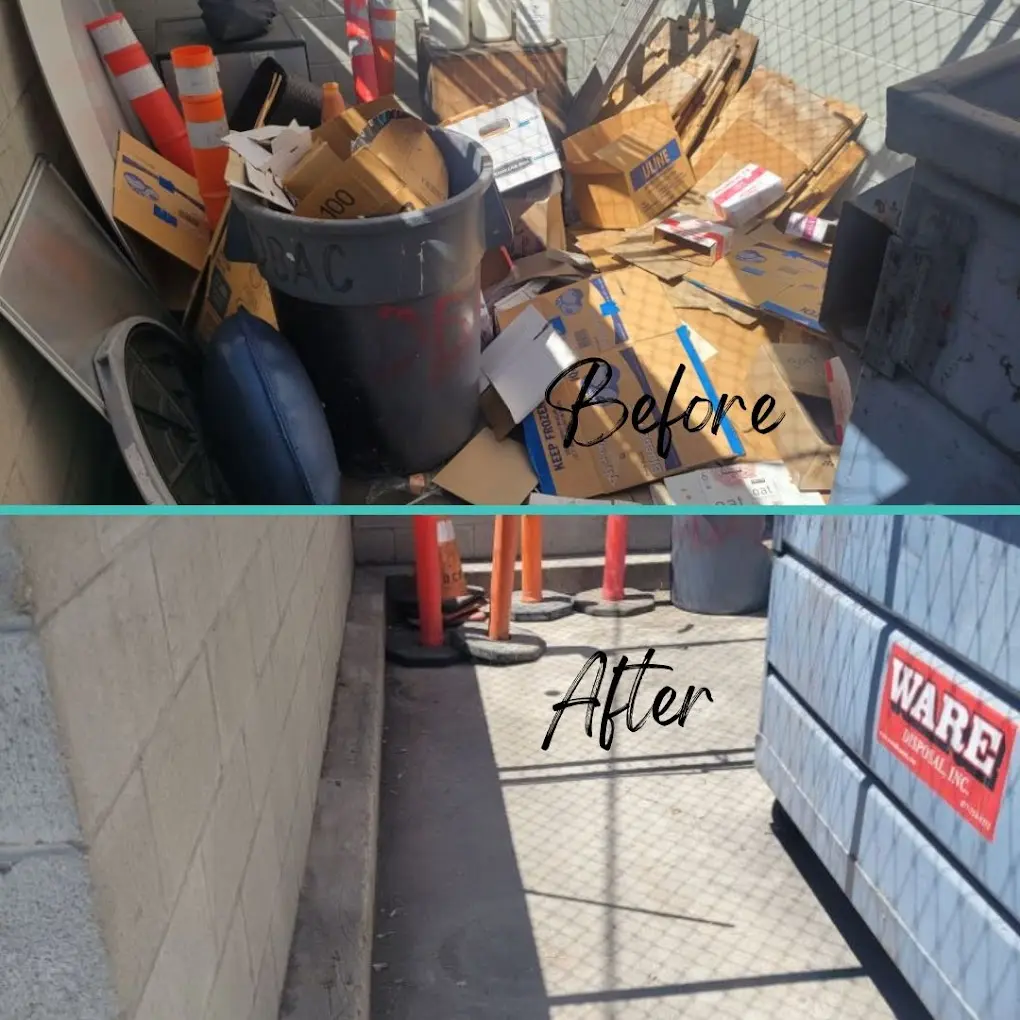
Before and After Decluttering
7. Prevent Relapse and Maintain a Clear Space
Clearing the clutter is a monumental achievement, but the journey doesn’t end there. The final, and perhaps most crucial, step is creating a sustainable plan to maintain the newly cleared space and prevent a relapse. This phase is all about shifting habits and building new, healthier routines around possessions and shopping.
Help “Turn Off the Faucet” of New Items
To keep a home from filling up again, you have to address the flow of new items coming in. Without a strategy to manage acquisitions, even the most successful cleanout can be undone. Encourage your loved one to adopt a mindful approach to shopping by pausing before each purchase to ask if the item is a genuine need or an impulsive want. Changing these acquiring behaviors is fundamental to long-term success, a point emphasized by experts on hoarding. A practical rule to implement is the “one-in, one-out” policy: for every new item that enters the home, a similar item must be donated or discarded. This creates a system of balance and prevents accumulation from spiraling out of control again.
Encourage Shopping the Stockpile
A fantastic way to reduce the urge to buy is to “shop the stockpile” first. Many people who struggle with hoarding have an abundance of everyday items like food, toiletries, or cleaning supplies. Before making a trip to the store, challenge your loved one to check their own inventory. This simple practice helps use up what they already own, saving money and reducing waste. More importantly, it builds a sense of resourcefulness and helps them see the abundance they already have, which can ease the anxiety that often drives compulsive shopping. It’s an empowering habit that shifts the focus from acquiring more to appreciating and using what is already there.
Conclusion: Turning Clutter Into Clarity
Helping a hoarder clean out their home isn’t just about creating a tidy space—it’s about restoring comfort, safety, and peace of mind. By approaching the process with empathy, setting realistic goals, and celebrating progress, you can make a life-changing difference.
✨ Remember: Every step forward is a step toward freedom. With patience and compassion, transformation is always possible.
Suggested
How can I support a hoarder who becomes overwhelmed during the cleanup process?
What strategies work best for encouraging long-term habits to prevent re-hoarding?
Can you suggest ways to approach sensitive items that a hoarder is emotionally attached to?
How do I know when it’s time to involve professional help, and how should I introduce that idea?
Frequently Asked Questions
What if my loved one gets really defensive or angry when I bring up the clutter? This is a completely normal reaction, and it’s important not to take it personally. When this happens, it’s a sign to shift your focus from the clutter to their well-being. Instead of saying, “We need to clean this,” try framing it around their safety and comfort with phrases like, “I’m worried that it’s hard to get through the hallway, and I want to make sure you’re safe.” If they still resist, it’s okay to back off. The goal is to build trust, not to win an argument. Let them know you’re there for them, and try bringing it up again gently at a later time.
The blog mentions a “staging area” for discarded items. How long should we keep things there before they’re actually removed? A staging area is a great buffer, but it shouldn’t become a new pile. A firm but fair deadline is key. Generally, one week is a good timeframe. This gives your loved one enough time to sit with their decisions without letting the process drag on indefinitely. The best strategy is to schedule the junk removal pickup in advance. Knowing that a professional team is coming on a set date creates a clear, non-negotiable endpoint that makes the final step of letting go much easier to follow through on.
I feel like I’m doing all the work. How can I encourage them to participate without causing a fight? Your role is to be a supportive partner, not the sole laborer. To encourage participation, break the work into very small, manageable tasks that you can do together. Try using a timer for 15-minute “teamwork” sessions, followed by a break. You could say, “Let’s both tackle this one shelf for the next 15 minutes, and then we’ll have some coffee.” This makes the process feel less overwhelming and reinforces that you are in it together. The goal is to empower them to make decisions, not to do it all for them.
What’s the difference between hiring a junk removal company and a professional organizer? Think of it as two different specialists for two different parts of the job. A professional organizer helps with the decision-making process. They work alongside your loved one to sort through items, create organizational systems, and help decide what stays. A professional junk removal company, like Junk Smiths, handles the physical labor. We’re the team you call when the “discard” and “donate” piles are ready to go. We do the heavy lifting and responsible disposal so you can focus on the emotional support.
We’ve cleared a room, but how do we stop it from filling up again immediately? Maintaining a clear space is all about creating new, sustainable habits. The most effective strategy is to address the flow of new items coming into the house. Introduce the “one-in, one-out” rule: for every new purchase that comes in, a similar item must leave. Another great habit is to “shop the stockpile” first. Before going to the store for toiletries or supplies, challenge your loved one to find and use what they already have. This shifts the mindset from acquiring more to using what is already there.
Key Takeaways
- Prioritize the Person, Not the Possessions: Remember that hoarding is a complex mental health issue. The most effective way to help is by offering compassionate, judgment-free support to build trust before you even begin to sort through items.
- Make Progress with a Plan: An entire house is overwhelming, so start small. Focus on clearing one safe pathway or one small area at a time using a simple sorting system (like Keep, Donate, Discard) to make the process manageable and build momentum.
- Know When to Call for Backup: You don’t have to manage a difficult cleanout alone. For lasting success, encourage professional therapy to address the underlying causes while hiring a professional junk removal team to handle the physical labor safely and efficiently.
Related Articles
- How to Help a Hoarder Declutter Without Judgment
- Cleaning Out a House: A Step-by-Step Guide – Junk Smiths: Junk Removal Huntington Beach
- How to Clean Out a House: A Complete Guide – Junk Smiths: Junk Removal Huntington Beach
- Your Essential Guide to Effective Debris Clean Up – Junk Smiths: Junk Removal Huntington Beach