

Every year, our demand for new technology generates millions of tons of electronic waste. That old phone or computer can’t go into your regular bin because it’s packed with harmful materials like lead and mercury that are hazardous in landfills. This raises a critical question:How to dispose of old electronics responsibly to protect our environment and health? Making the right choice contributes to a healthier community and conserves valuable resources. In this article, we’ll explore the most impactful, eco-friendly disposal options that ensure your e-waste is recycled or repurposed, not dumped.
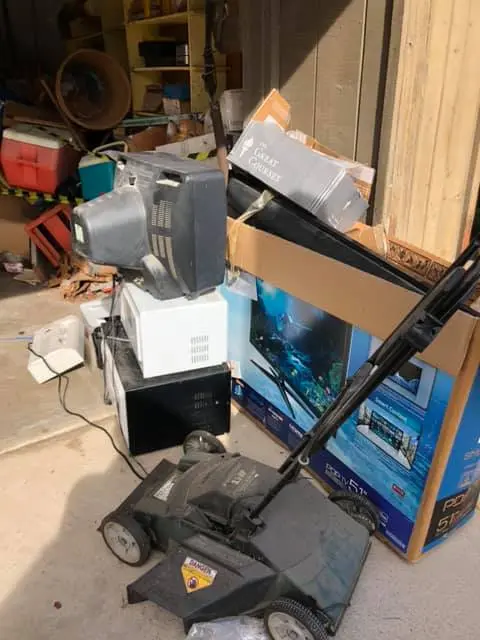
That old laptop collecting dust in your closet, the tangled mess of chargers in a drawer, and the broken printer you’ve been meaning to deal with—they all have something in common. They are all considered electronic waste, or e-waste. If you’re a property manager clearing out a unit or a homeowner finally tackling the garage, you’ve likely come across your fair share. But getting rid of it isn’t as simple as tossing it in the trash. E-waste contains hazardous materials that can be harmful to the environment if improperly disposed of in landfills. Proper e-waste disposal isn’t just about being responsible it’s about protecting our communities and natural resources. It’s essential to find eco-friendly e-waste recycling solutions to ensure safe disposal and material recovery. At Junk Smiths, we prioritize eco-friendly disposal for all the items we haul, especially electronics, ensuring they are handled the right way.
So, what exactly counts as e-waste? The definition is broader than you might think. According to environmental experts, “E-waste is any electronic device with a battery or power cord.” This includes the obvious items like computers, smartphones, and TVs, but it also covers large home appliances like refrigerators, washing machines, and microwaves. Even smaller items like electric toothbrushes, vapes, and power tools fall into this category. Essentially, if it uses electricity to function, it needs to be disposed of with special care once it no longer works or is needed. Understanding this helps you identify what can’t go into your regular recycling bin and requires a more specialized approach.
The issue of e-waste is growing at an alarming rate. Globally, the amount of electronic waste is increasing by about 8% every year, creating a massive challenge for waste management systems. This rapid accumulation is driven by our constant demand for new technology and shorter product lifecycles. For businesses, real estate agents, and construction companies, this often translates into piles of outdated equipment, old appliances from renovated properties, and leftover electronics from job sites. The sheer volume makes responsible disposal more critical than ever. When you choose a professional service, you’re not just clearing space—you’re contributing to a solution for a global problem.
Choosing to recycle your electronics has a powerful positive impact. As noted by Guilford County officials, “Recycling electronics is important for a healthy environment because it keeps harmful materials out of landfills and saves valuable landfill space.” Many electronics contain lead, mercury, and cadmium, which can contaminate soil and water. Recycling recovers valuable materials like gold, silver, and copper that can be reused, reducing the need for new mining. Beyond the environmental perks, some services even allow you to recycle electronics for cash. For us at Junk Smiths, the biggest benefit is knowing we’re helping our clients in Orange County dispose of their items responsibly, turning potential waste into reusable resources.
Before you hand over your old electronics for disposal, there are a few essential steps to take. This isn’t just about decluttering; it’s about protecting your personal information and making the recycling process smoother. Whether you’re dealing with a single personal phone or an entire office worth of computers, taking a few minutes to prepare your devices is a crucial part of the process. Think of it as a final checklist before saying goodbye. These three steps will ensure your data is safe and your devices are ready for their next chapter, whether that’s recycling or responsible disposal. Once you’ve completed these preparations, you can confidently pass them off to a professional hauler.
First and foremost, protect your information. If your device stores personal data, like a phone, tablet, or computer, you’ll want to save anything important before it’s gone for good. As one expert guide from MLI Environmental suggests, “save any photos, contacts, or documents you want to keep. You can use cloud services for this.” Services like Google Drive, iCloud, or Dropbox are great options for creating a secure backup of your files. Taking the time to do this ensures you don’t accidentally lose precious family photos, important work documents, or contact information you can’t get back. It’s the most important step for your peace of mind.
Once your data is safely backed up, the next step is to erase everything from the device itself. This is vital for preventing potential identity theft. The most effective way to do this is to perform a “factory reset,” which restores the device to its original settings and wipes all your personal information. This process removes your accounts, photos, messages, and apps, leaving the device completely clean for the next user or recycler. It’s a simple but powerful security measure that ensures your private information stays private, which is especially important for businesses and property managers dealing with devices used by multiple people.
Finally, round up all the related components. This includes chargers, power cords, keyboards, mice, and any other accessories that go with your main device. Keeping these items together makes the recycling process more efficient, as many components can also be recycled or repurposed. Once you have everything gathered and your devices are wiped clean, you’re ready for the final step: removal. Instead of spending your time searching for a certified e-waste facility, you can simply schedule a pickup with a professional service like Junk Smiths. We’ll take care of the heavy lifting and ensure everything gets to the right place for proper, eco-friendly disposal.
Take a peek into any storage closet, garage, or basement, and you’ll likely find a graveyard of old gadgets—flip phones from the early 2000s, cracked tablets, and obsolete chargers tangled like spaghetti. But before you let these relics collect dust indefinitely or, worse, toss them in the trash, let’s talk about responsible e-waste disposal. With the rapid evolution of technology, electronic waste is a growing problem, and the way we handle it impacts both the environment and our wallets.
In this guide, we’ll explore how Junk Smiths can help you properly dispose of old and broken electronics, ensuring they are handled in an eco-friendly and responsible manner.
Electronics contain harmful chemicals like lead, mercury, and cadmium, which can leach into soil and water if they end up in landfills. According to the Global E-waste Monitor, around 53.6 million metric tons of e-waste were generated in 2019, and only 17.4% was properly recycled. Disposing of electronics irresponsibly contributes to pollution and poses health risks to humans and wildlife.
👉 Tip: Always check your local regulations regarding e-waste disposal. Some areas have strict laws against dumping electronics in household trash.
Figuring out the rules for getting rid of old electronics can feel like a chore, but the main takeaway is simple: you can’t just toss them in the trash. Here in California, the law is very clear. The Electronic Waste Recycling Act makes it illegal to send items like TVs, computers, and old cell phones to landfills. This isn’t just red tape; it’s about protecting our environment from the hazardous materials inside these devices, such as lead, mercury, and cadmium. For our clients like property managers and real estate agents, staying on the right side of these laws is crucial to avoid fines. That’s why working with a professional team is so important. We handle all the details, making sure your e-waste is disposed of in full compliance with state and local regulations, so you don’t have to.
One of the easiest ways to get rid of old and broken electronics is by using Junk Smiths, a professional junk removal service that specializes in responsible e-waste disposal. They ensure that your electronics are properly recycled or donated to organizations that can repurpose them.
👉 How Junk Smiths Can Help:
Before discarding, consider whether your device still holds value. Many companies offer trade-in programs where you can exchange old electronics for store credit or cash. Websites like Gazelle, Declutter, and eBay make selling used gadgets easy, even if they’re slightly outdated.
👉 Tip: If your device is in decent shape, try selling it on Facebook Marketplace or Craigslist to give it a new home instead of letting it go to waste.
Before you decide everything is junk, it’s worth sorting through your pile to see if you have any hidden gems. Not all electronics are created equal when it comes to resale value. Generally, items that are still in high demand will fetch the best prices. Focus your attention on recent-model computers, laptops, smartphones, and tablets, especially from popular brands like Apple. Gaming systems from Nintendo, Sony, and Microsoft also hold their value well. Even peripherals like monitors and networking gear can be worth selling. Don’t immediately write off a device just because it’s a few years old; you might be surprised what someone is willing to pay for a functional gadget.
Once you’ve identified your valuable items, a little prep work can make a big difference in your payout. Start by exploring manufacturer and retail trade-in programs, which offer store credit or gift cards for your old devices—a quick and easy option. For a potentially higher return, try selling directly on platforms like Facebook Marketplace or eBay. Just be sure to take clear photos and write an honest description. Remember to gather all the original accessories, like chargers and cables, as this adds value. And for everything else that’s broken or too old to sell, remember that responsible recycling is the next best step.
Many charities and nonprofit organizations refurbish old electronics and donate them to underprivileged communities. Groups like Computers with Causes and World Computer Exchange accept old laptops, tablets, and phones for redistribution.
👉 Tip: Before donating, erase all personal data by performing a factory reset to protect your privacy.
Beyond the good feeling you get from helping others, donating your old electronics can also offer a nice financial perk. When you give your used but functional gadgets to a qualified 501(c)(3) organization, you may be eligible for a tax deduction. To claim it, the items generally need to be in good working condition. The key is to get a detailed receipt from the charity and accurately determine the fair market value of your donation. While we always recommend consulting a tax professional for specific advice, keeping good records is the first step. When our Junk Smiths team handles an e-waste pickup, we make it a priority to identify donatable electronics and ensure they get to reputable charities, helping you clear clutter responsibly while potentially setting you up for a tax benefit.
Many electronics manufacturers and retailers have recycling initiatives. Companies like Apple, Samsung, and Dell offer take-back programs where you can drop off old gadgets for safe disposal. Retailers like Best Buy and Staples also have collection bins for small electronics and accessories.
👉 Tip: Visit the manufacturer’s website to check if they have a recycling or trade-in program specific to your device.
While many retailers offer recycling, it’s smart to know the rules before you load up your car. For example, Best Buy’s popular program accepts a wide range of electronics, but it’s designed for residents, not businesses. They typically limit you to three items per household per day, which is great for a little spring cleaning but won’t work for a full office or property cleanout. While many smaller gadgets are recycled for free, you’ll likely encounter a fee for larger items like TVs and monitors. These rules can also change by state; for instance, California residents don’t pay a fee for TV recycling at drop-off. Always check the fine print to avoid surprises and a wasted trip.
If you’re buying a new appliance, many retailers offer a haul-away service to take your old one for a fee, which is a convenient one-and-done transaction. Some, like Best Buy, even offer a standalone pickup service for a set price, but it’s usually limited to just two large items plus smaller electronics. For those who don’t live near a drop-off location, mail-in programs are another option for recycling smaller devices like cell phones or tablets. These services are useful in specific scenarios, but for larger projects—like clearing out an entire estate for a real estate agent or handling an office upgrade for a property manager—the limitations can slow you down. When you have more than just a few items, a dedicated service like Junk Smiths provides a more flexible and comprehensive solution.
Most cities have dedicated e-waste recycling centers that safely process old electronics. These centers ensure that hazardous materials are disposed of correctly and that reusable components are salvaged.
👉 Tip: Search for certified e-waste recyclers in your area through resources like Earth911 or the EPA’s recycling directory.
When you’re ready to dispose of your e-waste, it’s crucial to find a recycler who handles it responsibly. The last thing you want is for your old devices to end up in a landfill, leaking harmful chemicals. A certified recycler guarantees that your electronics are processed correctly, protecting both the environment and your data. While you can use online tools like Earth911 or the EPA’s recycling directory to locate a facility, researching and vetting centers takes time. For our clients, from property managers clearing out units to homeowners tackling a garage cleanout, the simplest solution is to let us handle it. At Junk Smiths, we’ve already built strong relationships with certified, local e-waste recyclers, giving you peace of mind without any of the legwork.
If you’re a property manager clearing out an apartment or a business owner upgrading office equipment, you’re dealing with more than just a single old laptop. Commercial e-waste comes with unique challenges and responsibilities. These items, from office computers and printers to retail point-of-sale systems, are packed with hazardous materials like lead and mercury. When they end up in a landfill, these toxins can create environmental hazards and potential liabilities for your company. Beyond the environmental impact, there’s the critical issue of data security. Every corporate device can hold sensitive information, and simply tossing it out is a major security risk. A professional service ensures you meet your legal and ethical obligations for proper disposal, protecting both the environment and your business.
This is where a dedicated service makes all the difference. Instead of tasking your team with a complicated and heavy job, you can rely on professionals. At Junk Smiths, we streamline the entire process for businesses, property managers, and real estate agents across Orange County. We handle everything from office cleanouts and end-of-lease clearances to removing old equipment from rental units. Our team ensures your electronics are transported to certified e-waste recycling facilities where they are handled responsibly. This not only keeps harmful materials out of landfills but also ensures that any valuable components are recovered, supporting a circular economy. We provide the fast, reliable service you need to keep your operations running smoothly, with the assurance that your e-waste is managed correctly.
If you and your neighbors have accumulated a pile of unused electronics, consider organizing a community recycling event. Many local governments and environmental organizations partner with e-waste recyclers to host free drop-off events.
👉 Tip: Check with your city’s waste management department to see if they offer periodic e-waste collection days.
If you’re feeling creative, you can repurpose old electronics into something useful. Turn an outdated smartphone into a dedicated music player, an old tablet into a digital photo frame, or repurpose circuit boards for DIY projects.
👉 Tip: Browse online tutorials to get inspiration for upcycling old tech instead of letting it go to waste.
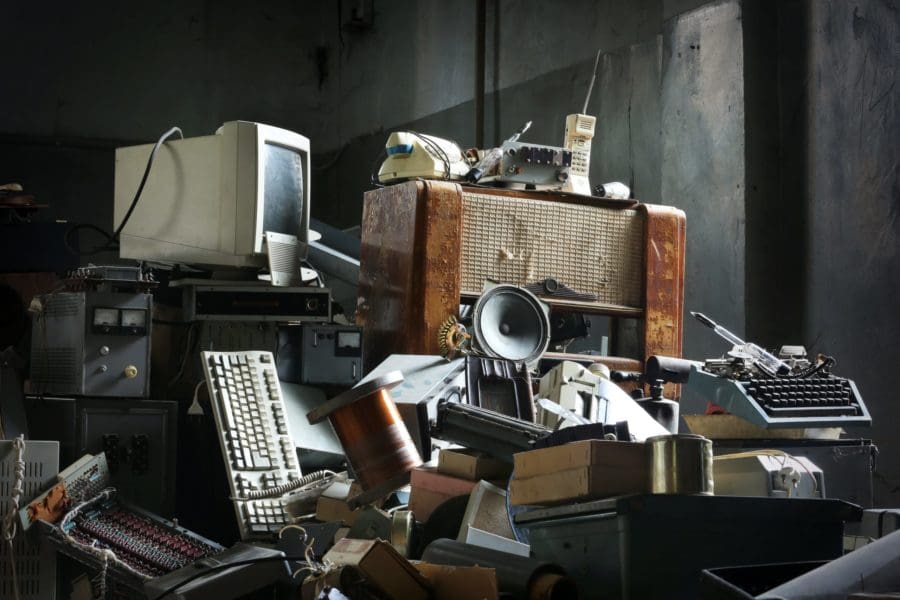
Disposing of old and broken electronics responsibly isn’t just about decluttering your space—it’s about protecting the environment and conserving valuable resources. Whether you choose to recycle, sell, donate, or repurpose, every effort counts. If you’re looking for an easy and reliable way to get rid of your electronic waste, let Junk Smiths handle it for you.
The next time you upgrade your tech, think ahead—how will you responsibly retire your old device? Small actions add up to a big difference!
What’s the big deal if I just toss one old phone or charger in the trash? It might seem like a small thing, but every piece of e-waste adds up. That single device contains materials like lead and mercury that can seep into the soil and water from landfills, creating environmental hazards. California law actually makes it illegal to trash electronics for this very reason. Choosing to recycle electronics even one item ensures those harmful materials are managed safely, and valuable metals are recovered, which is a much better outcome for our community.
Is a factory reset really enough to protect my personal information? For most people, performing a factory reset is a very effective way to wipe your personal data from a device. It erases your accounts, messages, photos, and apps, returning the device to its original state. This is the most important step you can take to protect your privacy before letting go of a phone, tablet, or computer. Once you’ve backed up what you need to save, a factory reset makes the device safe to pass on for recycling.
Why should I hire a service instead of using a free retail recycling program? Retail programs are great if you only have one or two small items, but they often have daily limits and may charge fees for larger things like TVs. If you’re a property manager clearing out a unit or a business upgrading an entire office, those limitations can be a real headache. A professional service like ours is built for convenience and scale. We handle everything in one trip, from heavy lifting to ensuring all items go to a certified recycler, saving you the time and effort of doing it yourself.
I have a few electronics that still work. Is it better to donate them or have them recycled? If a device is still functional and in decent condition, donating it is a fantastic option. It gives the item a second life and helps someone in need. Plus, you might even be able to get a tax deduction. We always prioritize donating any working electronics we collect. However, for items that are broken, outdated, or no longer useful, recycling is the most responsible choice to ensure their components are handled properly.
What kinds of electronics can you actually take? Is it just office equipment? We handle a huge range of electronic waste, far beyond just computers and phones. Our team can remove large appliances like refrigerators and washing machines, old televisions, entertainment systems, and even smaller household gadgets. Whether you’re a homeowner finally clearing out the garage or a real estate agent dealing with an entire property’s worth of leftover items, we can take care of it all.





Copyright © 2024 - 2025 · Junk Smiths | Privacy Policy | Terms & Conditions