
Concrete Recycling Orange County: A Complete Guide
Meet The Author

Sean Smith
Table Of Contents
For property managers, contractors, and real estate agents, project delays are costly. An unexpected pile of concrete from a renovation or demolition can bring a job site to a grinding halt, delaying turnovers and frustrating clients. You need a fast, reliable, and compliant way to get rid of it. Simply ordering a dumpster can backfire with steep weight-limit fees, and sending your own crew to haul it wastes valuable time. We’ll walk you through the most efficient disposal methods, including the rules for concrete recycling in Orange County, so you can keep your projects on schedule and your sites clear and safe.
How to Get Rid of Concrete in Orange County
Whether you tore out a patio, demolished a driveway, or knocked down a retaining wall, you are now staring at hundreds (or thousands) of pounds of broken concrete that needs to go somewhere. Concrete is heavy, bulky, and cannot go in your regular trash bin. Most dumpster rental companies either refuse concrete outright or charge steep overage fees because of the weight.
Need concrete and construction debris hauled away? Junk Smiths handles concrete removal across Orange County and Los Angeles, same day. Book your free estimate or call (714) 369-8886.
This guide explains your options for disposing of concrete in Orange County: recycling facilities, construction debris dumpsters, city programs, professional junk removal, and creative reuse. We cover costs, weight limits, what you can and cannot mix with concrete, and how to choose the most cost-effective method for your project.
Why You Can’t Just Toss Concrete in the Trash
Concrete is classified as inert construction and demolition (C&D) waste in California. While it is not hazardous, it creates unique disposal challenges:
- Weight: Concrete weighs approximately 150 pounds per cubic foot. A single cubic yard of concrete weighs about 4,000 pounds (2 tons). Even a small patio demolition generates 1 to 3 tons of debris.
- Volume: Broken concrete takes up significantly more space than intact slabs because of air gaps between irregular pieces.
- Banned from regular trash: No residential waste hauler in Orange County accepts concrete in standard bins or cart service.
- Dumpster weight limits: Most 10-yard roll-off dumpsters have a 2 to 4 ton weight limit. A small concrete project can easily exceed this, triggering overage fees of $75 to $150 per ton.
- California recycling mandate: AB 939 and subsequent legislation require that at least 65% of C&D waste be diverted from landfills. Concrete is one of the easiest materials to recycle, so there is strong incentive (and often a legal requirement) to recycle rather than landfill it.
The good news: concrete is one of the most recyclable construction materials. Over 140 million tons of concrete are recycled annually in the United States, and Orange County has multiple facilities that accept it.
Understanding Your Legal Responsibility
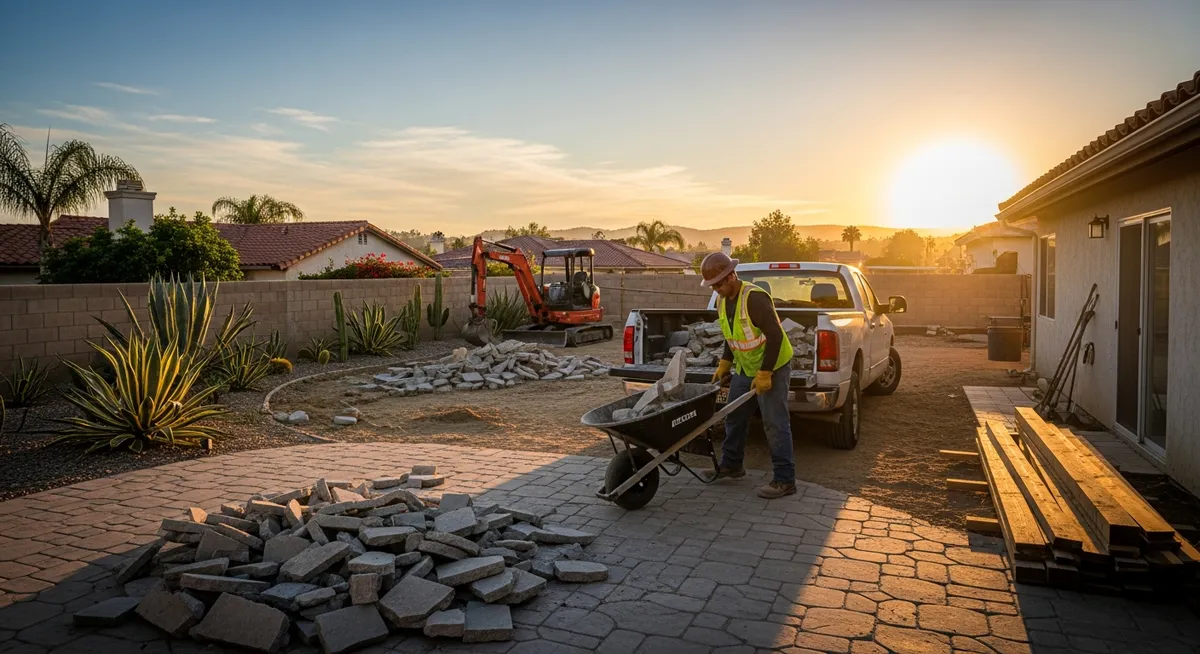
Getting rid of concrete isn’t just a physical challenge; it’s also a legal one. As the person who created the waste, you are responsible for ensuring it’s disposed of properly, and California has specific rules for construction debris. It’s easy to think, “It’s just rock, what’s the big deal?” but local and state regulations are in place for good reason—to manage landfill space and encourage recycling. Ignoring these rules can lead to fines and headaches you definitely don’t need. Understanding your obligations from the start is the best way to handle your project smoothly and avoid any unwelcome surprises down the road.
Your “Duty of Care” for Waste Disposal
In California, you have what’s legally known as a “duty of care.” This simply means you’re responsible for your waste from the moment it’s created until it’s properly disposed of. Concrete is classified as inert construction and demolition (C&D) waste. While it isn’t hazardous, state laws like AB 939 mandate that at least 65% of C&D materials must be diverted from landfills through recycling. Whether you’re a homeowner who just removed a patio or a property manager clearing a site, the obligation to ensure that concrete is recycled or legally disposed of falls squarely on you.
The Risks of Illegal Dumping
The difficulty of disposing of heavy concrete can make cutting corners seem tempting, but the consequences are severe, including significant fines. The main issue is that standard disposal methods don’t work. Your residential trash hauler won’t accept it, and most dumpster rental companies impose steep overage fees for exceeding weight limits—a common problem with concrete. A small project can easily surpass a dumpster’s weight allowance, resulting in extra charges of $75 to $150 per ton. Using a professional, insured service like Junk Smiths ensures your concrete is handled in compliance with all local and state regulations, protecting you from potential penalties and giving you peace of mind.
5 Ways to Dispose of Concrete in Orange County
1. Take It to a Concrete Recycling Facility
Concrete recycling facilities crush old concrete into recycled concrete aggregate (RCA), which is used as road base, fill material, and drainage gravel. This is typically the cheapest disposal option per ton:
- Cost: $5 to $25 per ton (some facilities offer free drop-off for clean concrete)
- Requirements: Concrete must be “clean,” meaning no rebar (or rebar cut flush), no trash, no wood, no dirt mixed in. Some facilities accept concrete with rebar for a small surcharge.
- You transport: You need a truck or trailer capable of hauling the weight.
Search for “concrete recycling near me” or “C&D recycling Orange County” to find the closest facility. Several operate in Anaheim, Santa Ana, and Irvine.
Key Recycling Facilities in Orange County
If you have a heavy-duty truck and are prepared to haul the concrete yourself, several local facilities are equipped to take it. R.J. Noble Company operates a large, modern recycling plant in Orange that processes broken concrete and asphalt into new materials. Another major player is Ewles Materials, which has multiple crushing and recycling sites throughout the area. These facilities are the backbone of construction recycling in the region, turning what would be waste into valuable resources. Before you head over, always call ahead to confirm their hours, drop-off fees, and specific requirements for the materials they accept, as these details can change.
The Concrete Recycling Process Explained
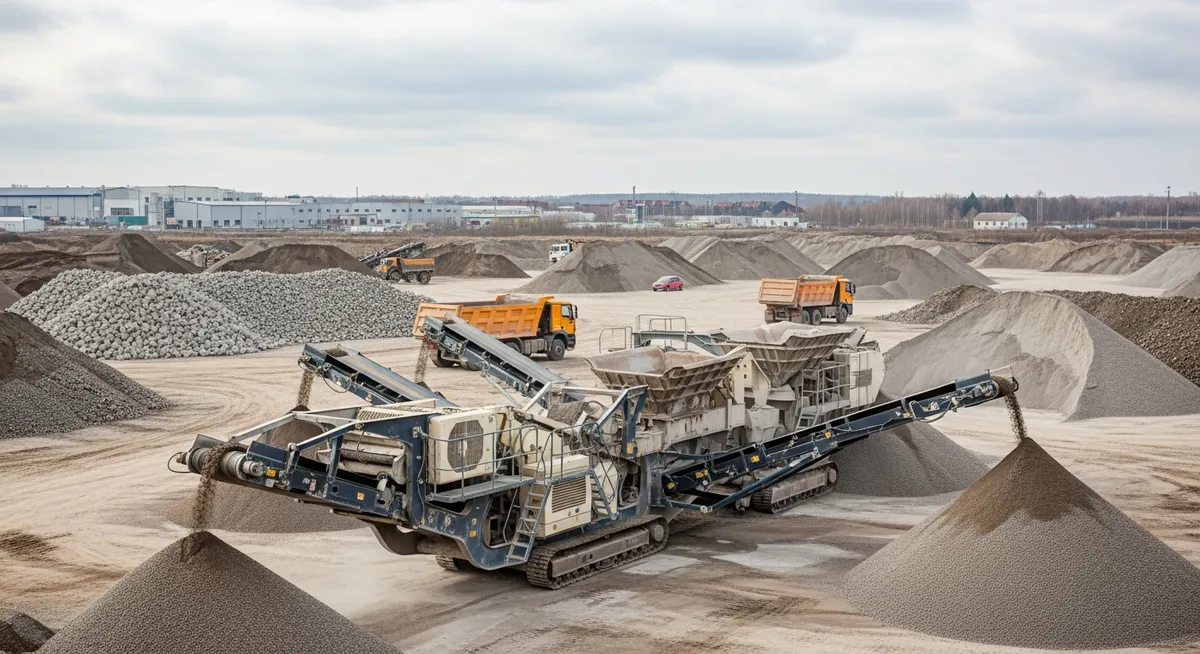
Ever wonder what happens to that old patio after you drop it off? It’s a pretty straightforward process. The facility uses powerful machinery to crush the old concrete into smaller, more manageable pieces. During this stage, any contaminants like dirt or metal rebar are screened and sorted out. The final product is known as recycled concrete aggregate, or RCA. This material is incredibly useful and gets a second life as a base layer for new roads, driveways, and building foundations. It’s also used for drainage projects and as backfill, ensuring your old concrete contributes to new construction instead of just sitting in a landfill.
Environmental Benefits of Recycling Concrete
Choosing to recycle your concrete does more than just clear out your yard; it has a significant positive impact on the environment. For starters, it keeps thousands of tons of heavy, bulky material out of our already-strained local landfills. Recycling also conserves natural resources by reducing the need to quarry new gravel and stone for aggregate. By turning construction waste into new building materials, companies can more easily comply with California’s strict regulations for waste reduction. It’s a sustainable choice that supports a circular economy right here in Orange County, making your renovation project a little greener.
How to Find a Certified Recycler
Finding a facility is as simple as searching online for terms like “concrete recycling Orange County” or “C&D recycling near me.” You’ll find options in major hubs like Anaheim, Santa Ana, and Irvine. The most important step is to call the facility directly before you load up your truck. Ask about their current gate fees (the cost per ton), whether they accept concrete with rebar, and if they have any restrictions on mixed loads. If you’d rather skip the logistics, heavy lifting, and transportation, a professional service like Junk Smiths can handle the entire process for you, ensuring your concrete is recycled responsibly.
2. Rent a Construction Debris Dumpster
For major demolition projects (driveways, foundations, pool demolition), renting a dedicated C&D dumpster is often the most practical option:
| Dumpster Size | Cost (Concrete Only) | Weight Limit | Best For |
|---|---|---|---|
| 10-yard | $350 to $500 | 10 tons | Patio or walkway demolition |
| 20-yard | $500 to $800 | 10 to 15 tons | Driveway or large patio |
| 30-yard | $700 to $1,100 | 15 to 20 tons | Foundation or pool demolition |
Important: Always get a “heavy debris” or “concrete only” dumpster. Standard construction dumpsters have lower weight limits (2 to 4 tons) and you will pay steep overage fees if you fill them with concrete. Concrete-specific dumpsters are built for the weight and priced accordingly.
Important Dumpster Rental Considerations
When you call a dumpster rental company, it’s crucial to be specific about what you’re throwing away. Most standard roll-off dumpsters, even a 10-yard one, aren’t designed for the immense weight of concrete and have a limit of just 2 to 4 tons. A small patio demolition can easily surpass that, sticking you with hefty overage fees that often range from $75 to $150 for every extra ton. This is a common and costly mistake. To avoid surprise charges, always tell the rental company you are disposing of concrete and request a container specifically rated for heavy debris to ensure your quote is accurate from the start.
Alternatives to Standard Dumpsters
For larger projects like removing a driveway or foundation, your best bet is to rent a dedicated construction and demolition (C&D) dumpster. These are built to handle the load, with much higher weight limits. For example, a 10-yard C&D dumpster can typically hold up to 10 tons of concrete, making it a far more practical choice for a patio or walkway tear-out. Another cost-effective option, if you have a heavy-duty truck and are willing to do the loading yourself, is to haul the material to a local recycling facility. Many centers in Orange County will accept clean concrete for a small fee or even for free.
3. Hire a Professional Junk Removal Team
For smaller concrete removal jobs (up to a few tons) or when you need same-day service, professional junk removal is the most convenient option. Junk Smiths handles concrete and construction debris removal across Orange County:
- Cost: Based on truck volume, starting at $150 for a small load. Concrete loads are priced by weight and volume.
- Same-day service: No waiting for dumpster delivery and pickup.
- We do the loading: Our crew loads the concrete onto our truck. No need to rent equipment or risk injury.
- Proper recycling: We take concrete directly to recycling facilities, not landfills.
Skip the dumpster rental hassle. Junk Smiths loads and hauls your concrete debris in one visit. Call (714) 369-8886 for a free quote.
How a Junk Removal Service Works
When you hire a team like Junk Smiths, you’re getting a complete, hands-off solution, not just heavy lifting. We manage the entire process from start to finish, which can include breaking down larger concrete pieces before loading every last bit and hauling it away. Our professional crew handles all the labor, so you don’t have to worry about renting special equipment or risking a back injury trying to move thousand-pound piles of debris. This full-service approach is especially efficient for smaller demolition jobs or when you need the debris gone fast with same-day service, clearing your property in a single visit.
We’re also committed to responsible, eco-friendly disposal. Our goal is to make sure every possible piece of concrete is diverted from the landfill and sent to a proper recycling facility. We haul it directly to certified recyclers, which is essential for meeting California’s mandate to divert at least 65% of all construction and demolition waste. This not only protects our local environment but also ensures your project remains fully compliant with state and local regulations, giving you complete peace of mind.
4. Use Orange County’s C&D Drop-Off Programs
Some Orange County cities operate C&D drop-off programs, though these are less common than regular bulky item pickup:
- Frank R. Bowerman Landfill (Irvine): Accepts C&D debris including concrete. Fees apply by weight.
- Olinda Alpha Landfill (Brea): Accepts concrete and other C&D materials. Weight-based pricing.
- Prima Deshecha Landfill (San Juan Capistrano): Accepts C&D waste including concrete.
Landfill disposal is typically more expensive than recycling ($30 to $50+ per ton) and does not count toward California’s recycling mandate. Use recycling facilities whenever possible.
5. Get Creative: Reuse Your Old Concrete
Before paying to dispose of concrete, consider whether it can be reused on your property or given away:
- Garden edging: Broken concrete pieces (urbanite) make attractive, free garden borders and retaining walls.
- Fill material: Clean broken concrete works as fill under new concrete pours or as drainage material.
- Raised bed walls: Stack larger pieces to create raised garden beds.
- Craigslist / Facebook Marketplace: Post “free clean concrete/urbanite, you haul” and landscapers or DIY gardeners will often take it within days.
Donating Usable Concrete Blocks and Pavers
If your broken concrete or old pavers are in decent shape, you might be able to find them a new home and avoid disposal fees entirely. Landscapers and DIY gardeners are often looking for free materials for their projects. Posting a listing on a local platform like Facebook Marketplace or Craigslist with a title like “Free clean concrete, you haul” can attract takers quickly. People creatively reuse these materials, often called urbanite, for rustic garden paths, retaining walls, or as a base layer for other projects. It’s a fantastic way to keep heavy material out of the recycling stream while helping someone else complete their project on a budget.
Tips for Giving Concrete Away Safely
To make sure your free concrete finds a new home without causing any trouble, a little prep work goes a long way. First, check with your local city ordinances or Homeowners Association rules before leaving a pile on the curb with a “free” sign. Some communities have regulations about placing materials out for pickup. Second, make your pile as appealing as possible by ensuring it’s “clean”—meaning it’s just concrete, without rebar, mesh, trash, or excessive dirt mixed in. A clean pile is much more likely to be picked up by someone who can actually reuse the material for their project, making the process faster and more successful for everyone involved.
What’s the Cost of Concrete Disposal in Orange County?
| Method | Cost | You Load/Transport? | Best For | Timeline |
|---|---|---|---|---|
| Recycling facility | $5 to $25/ton | Yes | Large quantities, have a truck | Same day |
| C&D dumpster rental | $350 to $1,100 | You load, they haul | Major demolition projects | 3 to 7 day rental |
| Junk Smiths | Starting at $150 | No (we load and haul) | Small to medium jobs, same-day | Same day |
| Landfill drop-off | $30 to $50+/ton | Yes | Mixed C&D waste | Same day |
| Creative reuse / giveaway | Free | Varies | Small amounts of clean concrete | Days to weeks |
Cost of Taking Concrete to a Landfill Yourself
Taking concrete directly to a landfill might seem like a straightforward solution, but it’s often the most expensive and least eco-friendly choice. Landfills in Orange County, such as those in Irvine and Brea, charge by weight, and the fees for heavy construction debris can add up quickly. You can expect to pay between $30 to $50 or more per ton for disposal. This price doesn’t account for your own time, the cost of fuel for a heavy-duty truck, or the intense physical labor required to load and unload thousands of pounds of concrete. Furthermore, California has strong recycling mandates, and choosing a landfill over a recycling center means your concrete won’t be repurposed, which goes against the state’s waste diversion goals. For these reasons, we always recommend recycling facilities whenever possible.
Cost of On-Site Concrete Milling
While large-scale industrial projects might use on-site milling machines, for most homeowners and contractors, the equivalent is taking your concrete to a specialized recycling facility. This is by far the most cost-effective disposal method. These facilities crush old concrete into recycled concrete aggregate (RCA), which gets reused in new construction projects. The cost is significantly lower than landfills, typically ranging from just $5 to $25 per ton. Some facilities will even accept clean concrete—free of rebar, dirt, and other debris—at no charge. To find a certified recycler near you, you can search local directories like the one provided by the Construction & Demolition Recycling Association. Just be sure to call ahead to confirm their pricing and material requirements.
DIY vs. Pro Concrete Removal: Which is Right for You?
| Factor | DIY (Recycling Center or Dumpster) | Professional (Junk Smiths) |
|---|---|---|
| Best for | Large projects with heavy equipment access | Small to medium jobs, no equipment |
| Cost (1 ton of concrete) | $5 to $25 (recycler) + truck rental ($50 to $100) | $150 to $250 |
| Physical effort | Extreme (4,000 lbs per cubic yard) | None |
| Equipment needed | Truck/trailer, wheelbarrow, gloves, back brace | None (we bring everything) |
| Injury risk | High (back injury, crushed fingers, cuts) | None (insured professionals) |
| Time | 4 to 8+ hours (loading, driving, unloading) | 1 to 2 hours |
| Scheduling | Your schedule + facility hours | Same day available |
| Proper recycling guaranteed? | If you take to recycler | Yes, always recycled |
| Can mix with other debris? | Some facilities accept mixed C&D | Yes, one trip for concrete plus other junk |
Safety Precautions for DIY Removal
If you decide to handle concrete removal yourself, safety has to be your top priority. This isn’t just heavy lifting; it’s a physically demanding job with real risks. Before you even pick up a sledgehammer, make sure you have the right Personal Protective Equipment (PPE). This includes steel-toed boots to protect your feet from falling chunks, heavy-duty gloves to prevent cuts, and safety glasses to shield your eyes from flying debris. Breaking up concrete also kicks up a lot of dust, which can contain harmful crystalline silica, so wearing a P2 or P3 dust mask is non-negotiable. Underestimating the physical toll is a common mistake that can lead to serious back injuries, crushed fingers, or worse. Always lift with your legs, not your back, and break the concrete into manageable pieces you can move without straining.
What to Expect When We Remove Your Concrete
- Book online or call (714) 369-8886. Tell us approximately how much concrete you have and where it is located (driveway, backyard, etc.).
- We provide a volume-based quote. Our pricing is based on how much space the debris takes in our truck. For heavy materials like concrete, there may be a weight surcharge.
- Our crew loads everything. We bring the right equipment: wheelbarrows, shovels, and heavy-duty gloves. We load piece by piece so nothing gets damaged along the way.
- We transport to a recycling facility. Your concrete goes to a certified C&D recycler where it is crushed into aggregate for reuse in road construction and landscaping.
- Site cleanup. We sweep the area and remove any remaining small debris or dust.
This is ideal for homeowners who demolished a patio or walkway and do not have a truck, contractors who need a quick debris pickup between jobs, and property managers dealing with estate cleanouts that include outdoor structures. We also handle shed demolition debris and old fence removal., and tire disposal and recycling
What Can (and Can’t) Go with Your Concrete?
| Material | Can Mix with Concrete? | Notes |
|---|---|---|
| Rebar (steel) | Yes (most recyclers) | Small surcharge may apply. Some require rebar cut flush. |
| Asphalt | Yes | Most C&D recyclers accept asphalt alongside concrete. |
| Brick and block | Yes | Crushed together into aggregate. |
| Tile and stone | Sometimes | Depends on the facility. Call ahead. |
| Dirt/soil | No | Contaminates the concrete recycling stream. |
| Wood | No | Must be separated for wood recycling or disposal. |
| Trash/household waste | No | Contamination results in rejection or surcharges. |
| Paint or chemicals | No | Hazardous waste, requires separate paint disposal. |
Frequently Asked Questions
Can I put concrete in a regular dumpster?
You can, but it is usually a bad idea. Standard construction dumpsters have a 2 to 4 ton weight limit, and concrete is extremely heavy (about 4,000 lbs per cubic yard). You will almost certainly exceed the weight limit and pay overage fees of $75 to $150 per extra ton. Use a dedicated “heavy debris” or “concrete only” dumpster instead.
How much does concrete weigh?
Solid concrete weighs approximately 150 pounds per cubic foot, or about 4,050 pounds (just over 2 tons) per cubic yard. A standard 4-inch thick patio that is 10 feet by 10 feet weighs approximately 2,000 pounds (1 ton). When broken up, the pieces have air gaps that reduce weight per cubic yard to roughly 2,500 to 3,500 pounds.
Where can I dump concrete for free in Orange County?
Some concrete recycling facilities accept clean, rebar-free concrete for free or a minimal fee ($5 to $15 per ton) because they sell the recycled aggregate. Search “free concrete drop-off Orange County” or call local recyclers to check current pricing. Listing broken concrete as “free urbanite” on Craigslist or Facebook Marketplace is another zero-cost option.
Can I break up concrete myself?
Yes, but it requires significant physical effort. A sledgehammer works for thin slabs (4 inches or less). For thicker concrete, rent an electric jackhammer ($75 to $150 per day) from Home Depot or a local equipment rental. Always wear safety glasses, steel-toed boots, heavy gloves, and hearing protection.
Does Junk Smiths remove concrete from backyards?
Yes. We remove concrete from driveways, patios, walkways, backyards, pool decks, and anywhere else on your property. Our crew brings wheelbarrows and equipment to transport heavy debris from hard-to-reach areas to our truck.
Is concrete recyclable?
Yes. Concrete is one of the most recyclable construction materials. Recycling facilities crush it into aggregate (gravel) used as road base, fill material, and drainage rock. Over 140 million tons of concrete are recycled annually in the US. Recycling concrete saves landfill space and reduces the need for new quarried materials.
How much does professional concrete removal cost?
Professional concrete removal with Junk Smiths starts at approximately $150 for a small load. Pricing depends on the volume and weight of concrete. A typical patio demolition (1 to 2 tons) costs $200 to $400 for removal. We provide free, no-obligation quotes so you know the exact price before we start.
Can I put concrete in my city’s bulky item pickup?
No. Most Orange County cities do not accept concrete or construction debris through their bulky item pickup programs. These programs are designed for furniture, mattresses, and household items. Concrete must go through C&D recyclers, dumpster rentals, or professional removal services.
Key Takeaways
- Focus on weight to avoid hidden costs: Concrete is deceptively heavy, and standard dumpsters often have low weight limits. To prevent expensive overage fees, you should either rent a specific “heavy debris” container or hire a professional service that provides an upfront quote based on the material.
- Select your disposal method based on project size and effort: For quick and labor-free removal of smaller loads, a junk removal service is ideal. For large projects like driveway demolitions, a heavy-duty dumpster rental makes more sense. Hauling it yourself to a recycling center saves the most money but requires a suitable truck and a lot of physical work.
- Recycle your concrete to save money and stay compliant: Disposing of concrete at a recycling facility is your most responsible and cost-effective option. It helps you avoid higher landfill fees and meets California’s legal mandate to divert construction waste, protecting you from potential fines.
Related Articles
- Concrete Disposal in Orange County: Recycling and Dump Guide
- How to Dispose of Concrete in Orange County (2026)
- Orange County’s Dumping & Waste Disposal Regulations