
Eviction Cleanout 101: A Landlord’s Guide
Meet The Author

Sean Smith
Table Of Contents
You’ve changed the locks and you open the door to your rental unit for the first time after an eviction. The scene is often chaotic: broken furniture, bags of trash, and forgotten belongings are scattered everywhere. The feeling of “where do I even start?” is completely normal. This is the critical moment where a systematic approach makes all the difference. An eviction cleanout is the first, most essential step in reclaiming your property and preparing it for the next tenant. Here, we’ll walk you through the entire process, from documenting the scene for legal protection to sorting and responsibly disposing of everything left behind.
What Is an Eviction Cleanout?
An eviction cleanout is the process of removing all belongings, trash, and debris left behind in a rental unit after a tenant has been legally evicted. For property managers in Orange County and Los Angeles, eviction cleanouts are one of the most time-sensitive tasks you face. Every day a unit sits full of abandoned items is a day of lost rental income.
Call Junk Smiths at 714-369-8886 or book online to schedule your eviction cleanout today. Same-day availability for property managers across Orange County and Los Angeles.
Whether you manage a single-family rental in Huntington Beach or a 200-unit apartment complex in Anaheim, eviction cleanouts require a specific approach. California law dictates strict timelines for handling abandoned property, and failure to comply can expose you to legal liability. This guide covers everything you need to know: California eviction cleanup laws, the step-by-step cleanout process, typical costs, items commonly left behind, and why most property managers hire professional eviction cleanout services instead of handling it themselves.
Distinguishing Between a Move-Out Clean and a Deep Clean
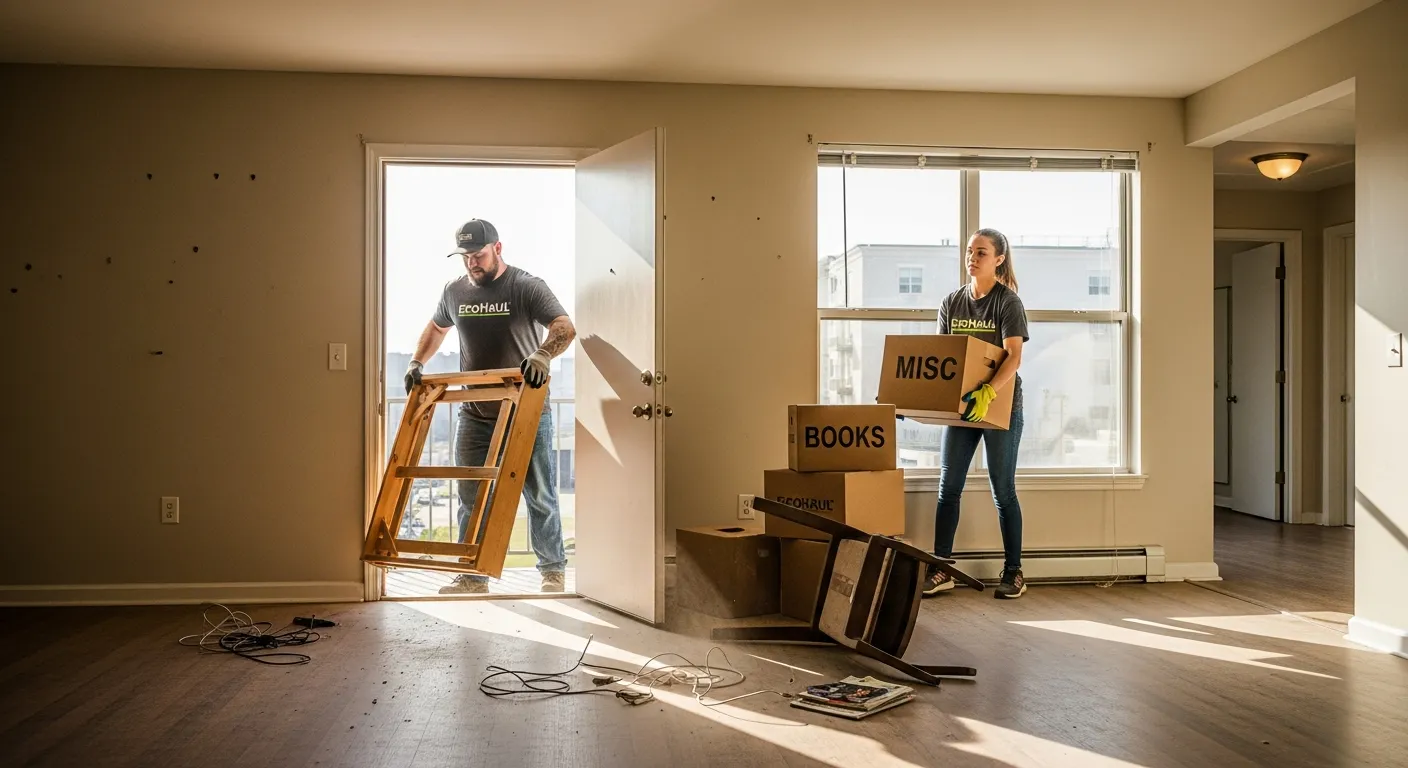
It’s easy to use these terms interchangeably, but for a property manager, the difference is critical. A deep clean is an intensive cleaning done in an *occupied* home, designed to tackle built-up grime in high-traffic areas. Think of it as a heavy-duty version of regular housekeeping. A move-out clean, on the other hand, is a top-to-bottom sanitization of a completely *empty* unit. Its sole purpose is to reset the property to a pristine, move-in-ready condition for the next tenant, covering everything from the inside of the oven and refrigerator to light fixtures and baseboards.
After an eviction, your goal is always a move-out clean. This is the final step that makes a unit rentable again, but it can only happen after all the abandoned items and trash are gone. That’s where we come in. Our team at Junk Smiths handles the initial eviction cleanout—the heavy lifting of clearing the space—so your cleaning crew has a blank slate to work with. This two-step process is essential for a fast turnover, and ensuring the property is properly cleaned is key, as landlords can often charge tenants for cleaning costs if the unit is left in disarray, helping you get the property back on the market quickly.
California Eviction Cleanout Laws You Need to Know
California Civil Code Sections 1983 through 1988 govern what happens to personal property left behind after an eviction. As a property manager, you must follow these rules precisely to avoid lawsuits from former tenants.
How Long Do You Have to Wait?
After a lawful eviction is executed by the sheriff, you are required to send the former tenant a written notice describing the property left behind. The notice must include:
- A description of the abandoned personal property
- The location where the property can be claimed
- A deadline for the tenant to claim their belongings
- A statement that the property will be sold or disposed of after the deadline
The timeline depends on how the notice is delivered:
- Personal delivery: The tenant has 15 days to claim their property
- Mailed notice: The tenant has 18 days from the date of mailing
What Counts as Abandoned Property?
Under California law, personal property is considered abandoned when the tenant has vacated the unit following an eviction order and has not responded to your notice within the required timeframe. Items with a combined estimated value under $700 can be disposed of immediately after the notice period. Items valued over $700 must be sold at a public auction, with proceeds going to the county after deducting storage and sale costs.
For most eviction cleanouts in Orange County, the abandoned items fall well under the $700 threshold. Broken furniture, old mattresses, bags of trash, and leftover household goods rarely carry significant resale value. However, you should always document everything with photos and written records before disposal.
Understanding “Normal Wear and Tear”
Once the abandoned items are cleared out, your next step is to assess the property’s condition. This is where the legal distinction between “normal wear and tear” and “damage” becomes crucial. Normal wear and tear is the expected, gradual decline of a property from a tenant simply living in it—think minor scuffs on the walls, faded paint from sunlight, or worn-out carpet in high-traffic areas. As the property owner, you are responsible for fixing these issues. Damage, on the other hand, is caused by tenant negligence, accidents, or abuse. Examples include large holes in the drywall, broken windows, deep pet stains on the carpet, or cracked bathroom tiles. You can typically deduct the cost of these repairs from the tenant’s security deposit. To avoid disputes, always document the unit’s condition with photos and a detailed checklist before a tenant moves in and after they leave.
Your Step-by-Step Eviction Cleanout Guide
A professional eviction cleanout follows a systematic process designed to get your unit rent-ready as quickly as possible. Here is how Junk Smiths handles eviction cleanouts for property managers across Orange County and LA.
Step 1: Your Initial Walk-Through
Our team visits the property to assess the scope of the cleanout. We document the condition of the unit, identify any hazardous materials (cleaning chemicals, paint, biological waste), and provide an upfront quote based on volume. There are no hidden fees or surprise charges.
Step 2: Protect Yourself with Photos and Notes
Before anything is touched, we photograph every room and create an itemized inventory. This protects you legally and gives you a clear record of the unit’s condition at the time of cleanout. Many property managers use these photos for insurance claims or security deposit documentation.
Step 3: Sort Personal Items from Junk
We sort all items into categories: trash, recyclables, donatable goods, and hazardous materials. Junk Smiths prioritizes eco-friendly disposal. Usable furniture, clothing, and household items are donated to local charities. Metals, cardboard, and electronics are sent to recycling facilities. Only true waste goes to the landfill.
Step 4: Haul Away Unwanted Items
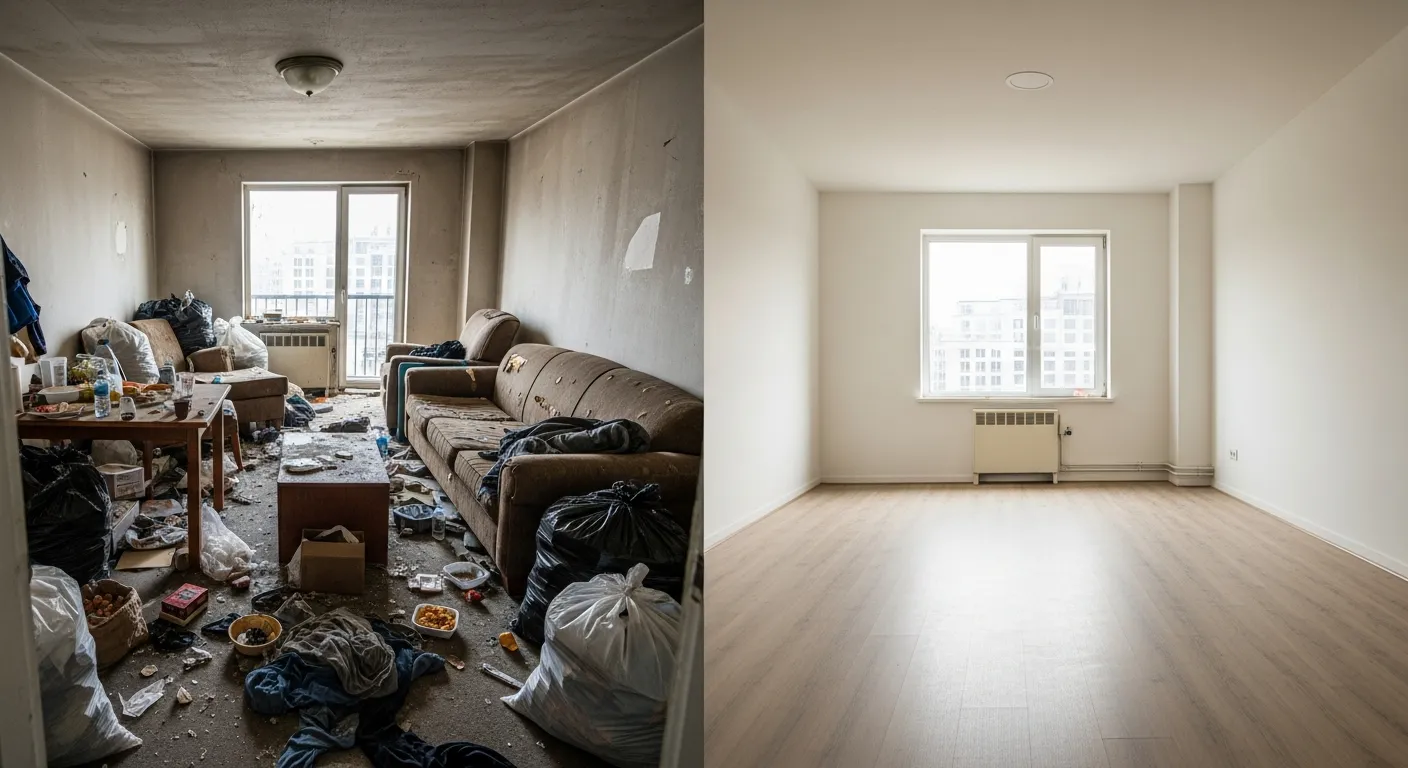
Our crew loads everything onto our trucks. We handle all the heavy lifting, including bulky furniture, appliances, mattresses, and large quantities of bagged trash. For multi-unit properties, we can deploy additional trucks to complete the job in a single visit.
Step 5: Prep for a Deep Clean
After all items are removed, we sweep and clear the unit so it is ready for your cleaning crew or turnover team. We remove all debris from floors, closets, cabinets, patios, and garages. The goal is a completely empty, broom-clean unit.
Step 6: Handle Disposal and Final Paperwork
All items are transported to the appropriate facilities: donation centers, recycling plants, or licensed disposal sites. We provide property managers with a completion report that includes before and after photos, itemized disposal records, and donation receipts when available.
Ready to get your unit turned around fast? Contact Junk Smiths at 714-369-8886 for a free, no-obligation eviction cleanout quote.
What’s Typically Left Behind After an Eviction?
After years of handling eviction cleanouts across Huntington Beach, Anaheim, Santa Ana, Long Beach, and throughout Orange County, our team has seen it all. Here are the most common categories of items left behind.
Bulky Furniture and Old Mattresses
Couches, bed frames, mattresses, dressers, dining tables, bookshelves, and desks. These are the bulkiest items and often the hardest to remove without a professional crew and truck.
Outdated Appliances and Electronics
Refrigerators, microwaves, window AC units, TVs, computers, and small kitchen appliances. These require special handling for recycling and cannot be thrown in standard dumpsters.
Forgotten Clothing and Personal Belongings
Bags and boxes of clothing, shoes, linens, and personal effects. These are sorted for donation when in usable condition.
Piles of Trash and General Debris
Food waste, cleaning supplies, broken items, bags of garbage, and general clutter. This category often makes up the largest volume in an eviction cleanout.
Old Carpeting and Yard Waste
Torn-up, stained carpeting and overgrown yard debris are common sights in eviction cleanouts. While they may seem like obvious trash, California law requires you to treat them as potentially abandoned personal property. After sending the former tenant a written notice, you must wait the required 15 or 18 days before disposal. Fortunately, items like old carpeting and yard waste almost always fall under the $700 value threshold, meaning you can dispose of them once the notice period expires. Our team at Junk Smiths can schedule a pickup for the day after your legal waiting period ends, ensuring no time is lost in clearing the property and getting it ready for the next tenant.
Mobile and Pre-Manufactured Homes
Eviction cleanouts for mobile or pre-manufactured homes come with their own unique challenges. While the same California Civil Codes apply regarding abandoned property, the scope of the job is often larger. You may be dealing with not just the interior of the home but also sheds, decks, and accumulated debris on the lot itself. It’s crucial to follow the legal notice timeline precisely before clearing anything. At Junk Smiths, we have extensive experience with these types of properties. We can efficiently clear out the entire space, from old furniture inside the unit to yard waste and dilapidated structures outside, making the turnover process simple and stress-free.
Potentially Hazardous Materials
Paint cans, automotive fluids, cleaning chemicals, propane tanks, and occasionally biological waste. These must be disposed of according to California hazardous waste regulations and cannot go to standard landfills.
How Much Do Eviction Cleanouts Cost in Orange County?
Eviction cleanout costs in Orange County and Los Angeles depend on the size of the unit, the volume of items, and whether hazardous materials are involved. Here is a general pricing breakdown based on typical jobs we handle.
- Studio or 1-bedroom unit: $350 to $800
- 2-bedroom unit: $600 to $1,200
- 3-bedroom house or unit: $900 to $1,800
- Large property or hoarder-level cleanout: $1,500 to $3,500+
Junk Smiths uses volume-based pricing with no hidden fees. You get an upfront quote before any work begins, and the price does not change once we start. For property managers with multiple units or recurring needs, we offer priority scheduling and volume discounts.
Factors That Influence the Cost
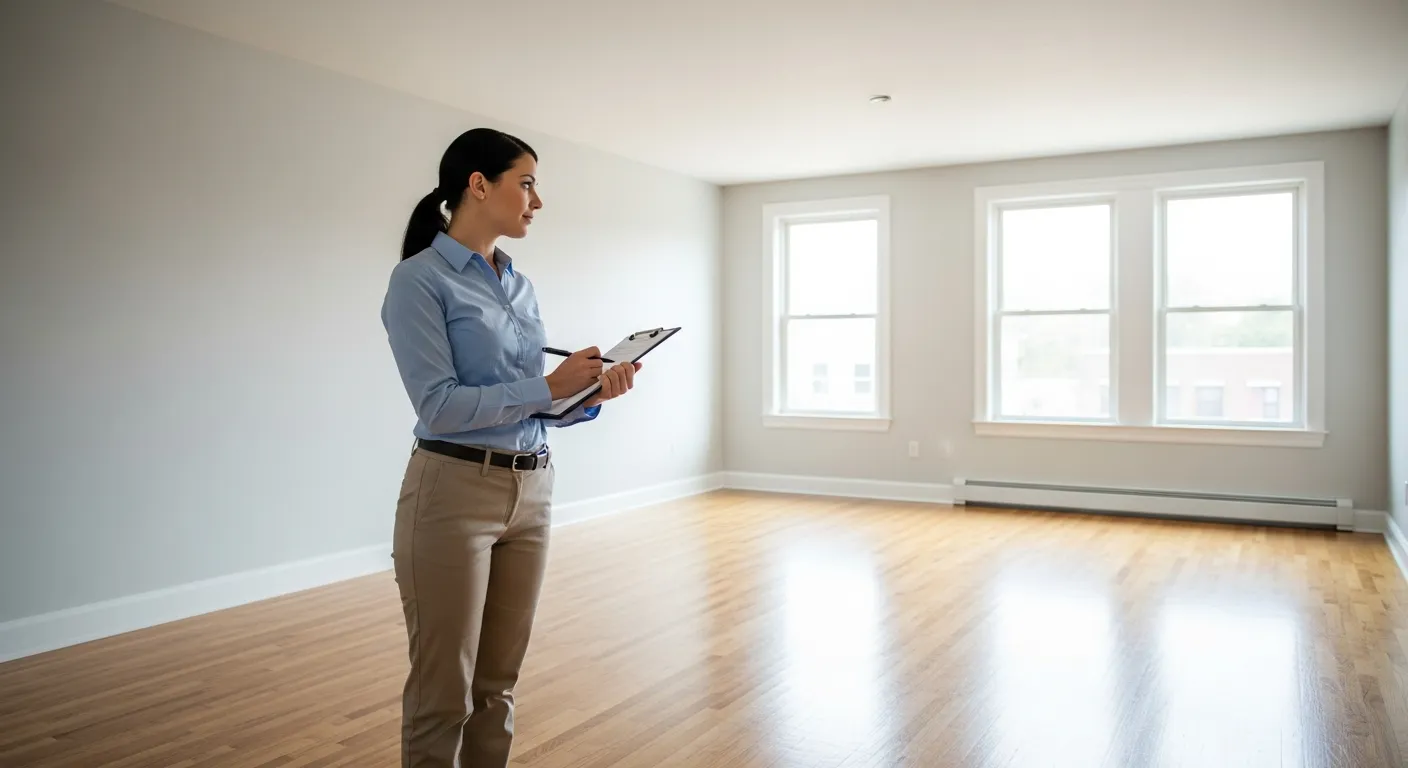
No two eviction cleanouts are exactly alike, so the cost will vary based on a few key factors. The most significant driver is the sheer volume of items left behind—a nearly empty unit will cost far less to clear than one packed with furniture and trash. The type of debris also matters. Heavy, bulky items like couches and appliances require more labor than bags of lightweight trash. If there are potentially hazardous materials like old paint, cleaning chemicals, or e-waste, they require special disposal methods, which can affect the final price. Finally, accessibility plays a role; a third-floor apartment with no elevator or a property with difficult parking access may require more time and resources to clear efficiently.
Average Costs for Professional Services
While every job gets a custom quote, it helps to have a general idea of what to budget for a professional service. At Junk Smiths, our pricing is transparent and based on how much space your items take up in our truck. This all-inclusive price covers the labor for lifting and loading, all transportation costs, and any associated fees for disposal, recycling, or donation. There are no hidden charges. For most eviction cleanouts in Orange County, you can expect the cost to fall within the ranges we provided earlier, which should help you plan for your property turnover without any last-minute surprises.
Potential Charges for Abandoned Items
As a property manager, you can sometimes recover cleanout costs, but you must follow California law carefully. After the required 15- or 18-day notice period has passed, you can assess the value of the remaining property. If the total estimated value is less than $700, you are legally free to dispose of it. The cost of this disposal can typically be deducted from the former tenant’s security deposit. If the property is valued at more than $700, it must be sold at a public auction. You can deduct the costs of storage and the sale from the proceeds, with any remaining money going to the county. For detailed guidance, the California Courts self-help guide is an excellent resource.
Should You DIY or Hire a Pro for Your Eviction Cleanout?
Many property managers consider handling eviction cleanouts themselves to save money. Here is a detailed comparison to help you decide which approach makes sense for your situation.
| Factor | DIY Cleanout | Professional Cleanout (Junk Smiths) |
|---|---|---|
| Labor | You and your maintenance staff | Trained, insured crew of 2 to 4 |
| Time Required | 8 to 16 hours for a 2BR unit | 2 to 4 hours for the same unit |
| Truck and Equipment | Rental truck ($75 to $150/day) plus loading tools | Included in the price |
| Dump Fees | $50 to $200 per load at the landfill | Included in the price |
| Hazardous Material Handling | You must transport to HHW facility yourself | Handled by our team per CA regulations |
| Liability and Insurance | Your workers’ comp covers injuries on site | Fully insured, $1M general liability |
| Recycling and Donation | Requires multiple trips to different facilities | We sort, donate, and recycle automatically |
| Documentation | You take your own photos and notes | Full photo report and disposal records provided |
| Total Cost (1BR Unit) | $200 to $500 (plus 8+ hours of labor) | $350 to $800 (turnkey, done in hours) |
| Total Cost (2 to 3BR Unit) | $400 to $900 (plus 12+ hours of labor) | $600 to $1,800 (turnkey, done in hours) |
| Unit Turnaround Speed | 2 to 5 days (depending on staff availability) | Same day or next day |
| Recurring Service Options | Not applicable | Priority scheduling and volume discounts |
For property managers who handle more than a few evictions per year, the math is clear. Professional eviction cleanout services save time, reduce liability, and get your units back on the market faster. The cost of one extra week of vacancy on a $2,500/month unit is $625, which often exceeds the cost of hiring professionals.
The DIY Eviction Cleanout Process
If you decide to handle the cleanout yourself, having a structured approach is essential. A systematic plan can turn an overwhelming task into a series of manageable steps. This process requires significant time, physical labor, and logistical planning, from sorting items and renting a truck to making multiple trips to donation centers and disposal facilities. Here’s how to break down the job.
Step 1: Create a Plan and Sorting System
Before you lift a single item, walk through the unit and create a room-by-room plan. Tackling the entire property at once is a recipe for burnout. Instead, focus on one area at a time. Get large boxes or heavy-duty trash bags and label them for your sorting categories: Trash, Donate, and Recycle. This simple system prevents you from moving the same items multiple times and helps you make quick decisions. As you work, place items directly into the corresponding container to keep the space organized and make the final removal process more efficient.
Step 2: Research Donation and Disposal Options
Once you have a sense of what you’re dealing with, research your local disposal options. Not everything can go in a dumpster. Identify nearby donation centers in Orange County and check their guidelines for accepted items, as many have restrictions on furniture, electronics, and mattresses. For items that can’t be donated, you’ll need to find the correct disposal facilities. This may involve separate trips to a landfill for general waste, a recycling center for metals and cardboard, and a designated hazardous waste facility for things like paint and chemicals.
Step 3: Tackle the Job in Stages
Start by removing the obvious trash first. Go through each room with a large trash bag and clear out all the undisputed junk—food waste, broken items, and anything that is clearly garbage. This initial sweep will immediately make the space feel more manageable. Once the trash is gone, you can begin sorting the remaining belongings into your designated boxes. Focus on clearing the main living areas and kitchen first, as this will make the biggest impact and create more space to work. Remember, this process can take several days, especially when juggling it with your other property management duties.
Why Smart Property Managers Outsource Eviction Cleanouts
Property managers across Orange County and Los Angeles choose professional eviction cleanout services for several reasons that go beyond simple convenience.
Faster Unit Turnaround
Professional crews complete most eviction cleanouts in 2 to 4 hours. That means your unit can be ready for cleaning and turnover the same day. For a DIY approach, the same job takes 8 to 16 hours spread over multiple days.
Stay on the Right Side of the Law
California’s abandoned property laws are strict. Professional eviction cleanout companies like Junk Smiths understand the documentation requirements and disposal regulations. We photograph everything, maintain disposal records, and ensure hazardous materials are handled according to state law.
Minimize Your Legal Risks
When your maintenance staff handles heavy lifting, broken furniture, and potentially hazardous materials, the risk of injury increases. Professional crews carry their own insurance and are trained for safe removal of bulky, heavy, and hazardous items.
Responsible, Eco-Friendly Disposal
Junk Smiths donates and recycles a significant portion of the items we collect. This aligns with growing environmental expectations from tenants, owners, and communities. Many property management companies now include sustainability metrics in their reporting, and working with an eco-conscious property cleanout service supports those goals.
A Professional Finish, Every Time
When you build a relationship with a reliable eviction cleanout provider, you get consistent quality every time. No more coordinating volunteers, borrowing trucks, or hoping your maintenance team can squeeze it in between other work orders.
Beyond Junk Removal: Related Property Services
Think of your junk removal partner as the first step in your turnover process. A truly professional service goes beyond just hauling away trash bags. We handle the entire property cleanout, from bulky furniture and old appliances to the last forgotten items in closets and cabinets. Many eviction cleanouts also require light demolition, like tearing out stained carpeting or dismantling a tenant-built shelf. Handling these tasks saves you from calling in another contractor. Our crew ensures the unit is left completely empty and broom-clean, so your cleaning team can walk in and get straight to work. By managing the heavy lifting and initial clearing, we help you streamline the entire turnover and get your property back on the market without delay.
How to Set Up Recurring Eviction Cleanout Services
If you manage multiple rental properties in Orange County or Los Angeles, recurring cleanout services can save you significant time and money. Here is how to set up a recurring partnership with Junk Smiths.
- Contact us for a portfolio assessment. We review the number and types of properties you manage, typical turnover frequency, and average cleanout scope.
- Receive a custom service agreement. We create a pricing structure based on your volume, including priority scheduling and guaranteed response times.
- Schedule cleanouts on demand. When an eviction cleanout is needed, call or book online. As a recurring client, you get priority scheduling with same-day or next-day availability.
- Receive reporting for each job. Every cleanout includes before and after photos, an itemized disposal report, and donation receipts. This documentation supports your property management records and owner reporting.
Many property managers who use Junk Smiths for recurring cleanouts report faster unit turnarounds, fewer maintenance staff injuries, and better documentation for property owners and investors.
Pro Tips for a Faster Unit Turnaround
Getting a unit rent-ready after an eviction involves more than just removing junk. Here are practical tips for both the pre-cleanout and post-cleanout phases.
Your Pre-Cleanout Checklist
- Verify the eviction has been legally executed (sheriff lockout completed)
- Send the required abandoned property notice per California Civil Code 1983
- Wait the full 15 or 18-day notice period before disposing of any property
- Photograph every room before anything is moved or removed
- Check for hazardous materials (chemicals under sinks, in garages, in closets)
- Turn off utilities if appropriate and secure the property
- Schedule your professional cleanout crew for the day after the notice period expires
Your Post-Cleanout Checklist
- Inspect all rooms, closets, cabinets, and storage areas for remaining items
- Check for property damage: holes in walls, broken fixtures, damaged flooring
- Schedule deep cleaning (carpets, bathrooms, kitchen)
- Arrange for any necessary repairs (patching, painting, fixture replacement)
- Update locks and keys
- Photograph the restored unit for your records
- List the unit for rent and begin showing
The fastest property cleanout turnarounds happen when property managers have a reliable process and trusted vendors in place before the eviction is even finalized. If you manage properties in Orange County or Los Angeles, having Junk Smiths on speed dial means you can go from eviction to rent-ready in days instead of weeks.
Frequently Asked Questions About Eviction Cleanouts
How long does an eviction cleanout take?
Most eviction cleanouts for a standard 1 to 3 bedroom unit take 2 to 4 hours with a professional crew. Larger properties or hoarder-level cleanouts may take a full day. Junk Smiths offers same-day service for property managers across Orange County and Los Angeles.
Do I need to wait before cleaning out an evicted unit in California?
Yes. California Civil Code 1983 requires you to send the former tenant a written notice about their abandoned property. They have 15 days (personal delivery) or 18 days (mailed notice) to claim their belongings before you can legally dispose of them.
What happens to items left behind after an eviction?
Items valued under $700 total can be disposed of after the notice period expires. Items valued over $700 must be sold at public auction. Junk Smiths sorts all items for donation, recycling, or proper disposal, maximizing eco-friendly diversion from landfills.
How much does an eviction cleanout cost in Orange County?
Costs range from $350 to $800 for a studio or 1-bedroom, $600 to $1,200 for a 2-bedroom, and $900 to $1,800 for a 3-bedroom unit. Hoarder-level cleanouts can cost $1,500 to $3,500 or more. Junk Smiths provides free, no-obligation quotes with transparent volume-based pricing.
Can I handle an eviction cleanout myself?
You can, but it is rarely cost-effective for property managers. A DIY cleanout for a 2-bedroom unit typically takes 12 or more hours, requires a rental truck, dump fees, and multiple trips. Professional services complete the same job in 2 to 4 hours with full documentation and proper disposal included.
Do you offer recurring eviction cleanout services for property managers?
Yes. Junk Smiths offers recurring service agreements for property managers with multiple units. Benefits include priority scheduling, volume-based pricing, same-day availability, and detailed reporting for each job. Contact us to set up a portfolio assessment.
What areas do you serve for eviction cleanouts?
Junk Smiths provides eviction cleanout services throughout Orange County and Los Angeles County. We serve Huntington Beach, Anaheim, Santa Ana, Irvine, Costa Mesa, Long Beach, Fullerton, Garden Grove, Torrance, and all surrounding cities. Book your cleanout online or call 714-369-8886.
Helping Tenants Help You: A Move-Out Guide
While eviction cleanouts are a reality of property management, the best-case scenario is always a smooth, cooperative move-out. Setting clear expectations from the start can dramatically reduce the time, cost, and stress involved in turning over a unit. By providing tenants with a clear guide, you empower them to leave the property in good condition, which benefits everyone. This proactive approach not only minimizes the need for extensive cleanouts but also helps protect your property and your timeline. As a trusted partner for property managers throughout Orange County, we know that a little guidance upfront can prevent a major headache later. Here are a few key strategies to implement for every move-out.
Providing a Detailed Cleaning Checklist
A professional cleanout follows a systematic process to get a unit rent-ready, and you should provide tenants with a similar roadmap. A detailed move-out cleaning checklist removes ambiguity and sets a clear standard for what “broom-clean” actually means. Break it down by room: kitchen (wipe inside cabinets, clean appliances), bathrooms (scrub grout, clean mirrors), and living areas (dust baseboards, vacuum). This simple document serves as a guide for tenants and a benchmark for your final inspection, helping to streamline security deposit returns and reduce disputes. When tenants know exactly what’s expected, they are far more likely to meet those expectations.
Encouraging a Final Walk-Through
Before our team ever touches an item in an eviction cleanout, we photograph every room to create a clear record of the unit’s condition. You can use this same principle proactively by offering to do a final walk-through with your departing tenant. This collaborative inspection allows you to point out any potential security deposit deductions on the spot, giving the tenant a chance to address them. It also provides an opportunity to document the property’s condition together, which can prevent future disagreements. This act of transparency builds goodwill and protects both you and the tenant legally, ensuring everyone is on the same page before the keys are returned.
Advising on Small Repairs
Part of your final inspection involves a thorough check for property damage, including small issues like holes in walls from picture hooks, broken light fixtures, or scuffed paint. Encourage tenants to handle these minor fixes before they move out. Providing a list of common, easy-to-fix items can be incredibly helpful. For example, suggest they fill nail holes with spackle, replace burnt-out light bulbs, or touch up minor paint scuffs if you provide the matching paint color. When tenants address these small repairs themselves, it saves your maintenance team time and saves the tenant money on their security deposit, making the entire turnover process faster and more efficient.
Key Takeaways
- Follow California’s abandoned property laws strictly: Always send the required written notice and wait the full 15 or 18 days before clearing a unit. Documenting the property’s condition with photos before you begin provides essential legal protection.
- Streamline the cleanout with a clear system: Create a plan before you start by sorting items into trash, donations, and recycling. This organized method clears the space efficiently so your turnover team can begin work immediately.
- Save time and reduce risk by hiring professionals: A professional service eliminates the risks of staff injury and improper disposal. They can complete the job in hours, not days, which minimizes vacancy loss and gets your unit back on the market much faster.
Related Articles
- Eviction Cleanout Guide for Property Managers
- Eviction Cleanout Guide
- Tenant Left a Mess? How Property Managers Handle Post-Vacancy Cleanouts Fast