Foreclosure Cleanout Guide for Property Managers and Investors
April 3, 2026
Meet The Author
Sean Smith
Table Of Contents
Foreclosure Cleanout Guide for Property Managers and Investors
Foreclosed properties rarely come empty. Banks, lenders, and new owners inherit everything the previous occupants left behind: furniture, appliances, personal belongings, trash, and sometimes hazardous materials. A professional foreclosure cleanout transforms a cluttered, unsellable property into a move-in-ready investment, and the speed of that transformation directly affects your bottom line.
This guide covers everything property managers, real estate investors, and bank asset managers need to know about foreclosure cleanouts: what to expect inside a foreclosed home, the cleanout process, costs, timelines, legal considerations, and how to choose a reliable cleanout service in Orange County.
What Do You Typically Find Inside a Foreclosed Property?
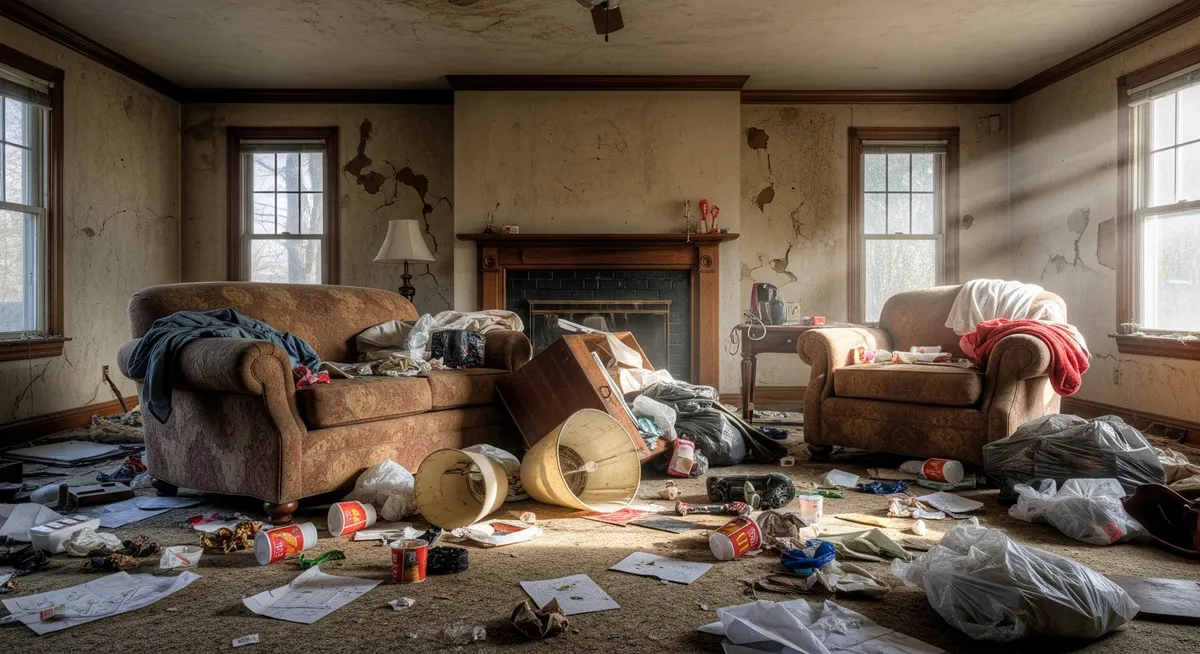
Every foreclosure is different, but here are the most common conditions our crews encounter:
Furniture left behind: Couches, beds, dressers, tables, and entertainment centers. Previous occupants often leave anything too heavy or too worn to move.
Appliances: Refrigerators (often with spoiled food inside), washers, dryers, dishwashers, and microwaves.
Personal belongings: Clothing, books, toys, kitchenware, and documents. Handling personal items requires sensitivity and compliance with California abandonment laws.
Trash and debris: Garbage bags, food waste, broken items, and general clutter accumulated during the eviction/foreclosure process.
Yard waste and outdoor items: Overgrown landscaping debris, broken outdoor furniture, old grills, and sometimes vehicle parts.
Hazardous materials:Old paint cans, cleaning chemicals, motor oil, pesticides, and occasionally more serious hazards like mold or asbestos in older homes.
Structural damage: Holes in walls, broken fixtures, removed copper plumbing (vandalism), and water damage from burst pipes or neglected leaks.
The condition ranges from “mostly empty with some furniture” to “packed floor-to-ceiling with years of accumulated belongings.” Properties that sat vacant for months often have the worst conditions due to mold growth, pest infestations, and vandalism.
How Does the Foreclosure Cleanout Process Work?
A professional foreclosure cleanout follows a systematic process to get the property rent-ready or sale-ready as fast as possible:
Property assessment. Before any work begins, the cleanout team walks the property to assess the scope: number of rooms, volume of items, presence of hazardous materials, and any access challenges (narrow hallways, stairs, no working utilities).
Quote and authorization. You receive a volume-based or flat-rate quote. For bank-owned properties, the asset manager or REO broker typically authorizes the work. For investor-owned properties, the new owner approves directly.
Sorting and categorization. The crew sorts items into categories: donate (usable furniture and clothing), recycle (metals, electronics, cardboard), hazardous (chemicals, appliances with refrigerant), and dispose (trash, broken items). This is not just throwing everything in a dumpster.
Loading and removal. Everything is loaded onto trucks and transported to the appropriate facilities. Donations go to local charities. Recyclables go to recycling centers. Hazardous waste goes to certified processors.
Broom-clean sweep. After all items are removed, the crew sweeps all rooms, wipes down surfaces, and leaves the property in broom-clean condition. This is the standard expected by banks and property managers.
Documentation. Before-and-after photos are taken for your records. This documentation is often required by lenders, HOAs, or code enforcement.
How Much Does a Foreclosure Cleanout Cost?
Foreclosure cleanout pricing depends on the size of the property, the volume of items, and the condition. Here are typical costs in Orange County:
Property Type
Typical Cost
Timeframe
What Is Included
Studio/1-bedroom condo
$300 to $800
2 to 4 hours
All items removed, broom clean
2-bedroom house
$800 to $1,500
4 to 6 hours
Full interior, garage, basic yard
3-bedroom house
$1,200 to $2,500
6 to 8 hours
Full interior, garage, yard, shed
4+ bedroom house
$2,000 to $4,000+
1 to 2 days
Full property, multiple truck loads
Hoarder-level foreclosure
$3,000 to $8,000+
2 to 5 days
Extreme volume, biohazard possible
Factors that increase cost: Excessive weight (concrete, soil, appliances), hazardous materials requiring special handling, upper-floor units with no elevator, properties with pest or mold issues requiring protective equipment, and rush timelines.
What Are the Legal Considerations for Foreclosure Cleanouts?
Property managers and investors must be aware of California’s legal requirements around abandoned property in foreclosures:
California Civil Code Section 1983-1984 (Personal Property): After a foreclosure sale, the new owner must provide written notice to the former occupant that personal property was left behind. The former occupant has 18 days to claim it. If unclaimed, the new owner can dispose of items valued under $750 without further action. Items valued over $750 must be sold at public auction.
Eviction vs. foreclosure: The rules differ depending on whether the property went through judicial foreclosure, non-judicial foreclosure (trustee sale), or eviction. Consult a California real estate attorney if you are unsure which process applies.
Hazardous materials: The property owner is responsible for proper disposal of any hazardous materials found on the property, regardless of who left them.
HOA and city compliance: Many Orange County HOAs and city code enforcement departments issue fines for properties with visible exterior clutter, overgrown yards, or unsecured structures. Fast cleanout prevents these fines from accumulating.
Why Property Managers Choose Junk Smiths for Foreclosure Cleanouts
Same-day and next-day availability. In the Orange County and LA market, speed matters. We can often start within 24 hours of your call.
Volume pricing for property managers. If you manage multiple units or properties, we offer recurring service rates and priority scheduling.
Full-service cleanup. We do not just haul the big stuff and leave the small stuff behind. Every room is cleared to broom-clean condition.
Eco-friendly disposal. We donate usable items to local charities and recycle metals, electronics, and appliances. This aligns with California’s diversion mandates and looks good in your sustainability reporting.
Licensed and insured. Our team is fully insured, protecting you from liability during the cleanout process.
Before-and-after documentation. Photos and receipts for your records, lender requirements, or HOA compliance.
Inspect the property before scheduling. Walk through every room, the garage, attic, backyard, and any storage sheds. Take photos and note the volume of items, any hazardous materials, and access issues.
Check for utility status. Ensure water and electricity are available. Working utilities make the cleanout faster and safer.
Document the condition. Take timestamped before photos of every room. This protects you for disputes, insurance claims, or HOA fines.
Comply with California’s 18-day notice requirement. Do not begin the cleanout until the notice period for personal property has expired.
Check for mail and personal documents. Shred or securely dispose of personal documents (tax returns, bank statements, medical records) to prevent identity theft.
Address exterior issues first. Clear visible trash and trim landscaping to prevent further HOA or code enforcement fines while the interior cleanout is scheduled.
Plan for multiple services. Most foreclosures need cleaning, landscaping, minor repairs, and possibly pest control or mold remediation beyond the junk removal.
Bundle with construction debris removal if the property needs any demolition work. One vendor for cleanout plus demo saves scheduling headaches.
Common Foreclosure Cleanout Mistakes to Avoid
Mistake
Why It Matters
What to Do Instead
Disposing of property before 18-day notice period
Legal liability under CA Civil Code 1983-1984
Send written notice, wait 18 days, then begin
Ignoring hazardous materials
Fines up to $25,000 for improper disposal
Have crew identify and properly dispose of paint, chemicals, e-waste
Hiring unlicensed haulers
No insurance, possible illegal dumping
Verify license, insurance, and disposal certifications
Not photographing before and after
No proof of condition for lender or HOA
Take timestamped photos of every room
Skipping the exterior
HOA fines accumulate daily
Clear exterior debris and trim landscaping first
DIY on a large property
Takes 3 to 5x longer, injury risk
Use professionals for 2+ bedrooms of contents
Frequently Asked Questions
How long does a foreclosure cleanout take?
A typical 2 to 3 bedroom foreclosure cleanout takes 4 to 8 hours with a crew of 2 to 4 people. Studio and 1-bedroom units take 2 to 4 hours. Larger properties or hoarder-level foreclosures can take 1 to 5 days. Junk Smiths can usually start within 24 hours of booking.
How much does a foreclosure cleanout cost in Orange County?
Costs range from $300 for a small condo to $4,000+ for a large, heavily cluttered house. The price depends on property size, volume of items, and any special handling required (hazardous materials, upper floors, etc.). We provide free, no-obligation estimates.
Do I need to be present during the cleanout?
No. Many property managers and investors provide a lockbox code or key and authorize the work remotely. We send before-and-after photos and can provide a detailed receipt after completion.
What happens to personal belongings left in the foreclosure?
California law requires the new owner to provide 18 days notice to the former occupant before disposing of personal property. Items valued under $750 can be disposed of after the notice period. Items over $750 must be sold at public auction. We recommend consulting a real estate attorney to ensure compliance.
Can you handle hazardous materials found in foreclosures?
We handle common household hazardous materials like paint, cleaning chemicals, and motor oil through certified disposal channels. For more serious hazards (mold remediation, asbestos abatement, biohazard cleanup), we can refer you to specialized contractors and coordinate the cleanup.
Do you offer discounts for property management companies?
Yes. We offer volume pricing and recurring service agreements for property managers who need regular cleanout services. Contact us to discuss your portfolio needs and we will create a custom service plan.
What is the difference between a foreclosure cleanout and an estate cleanout?
The main differences are legal requirements and emotional sensitivity. Foreclosure cleanouts follow California’s abandoned property statutes (Civil Code 1983-1984) and are typically less emotionally charged. Estate cleanouts follow probate procedures and require a more compassionate approach, as families are often involved in the decision-making. The physical work is similar: both involve clearing an entire property of contents.
Can you clean out a foreclosure with active squatters?
No. If there are unauthorized occupants in the property, they must be legally removed through the eviction process before a cleanout can begin. We can start the cleanout the same day the property is legally vacated.
Business Info
Junk Smiths 16402 Gothard Street Unit i Huntington Beach, CA 92647 714-369-8886